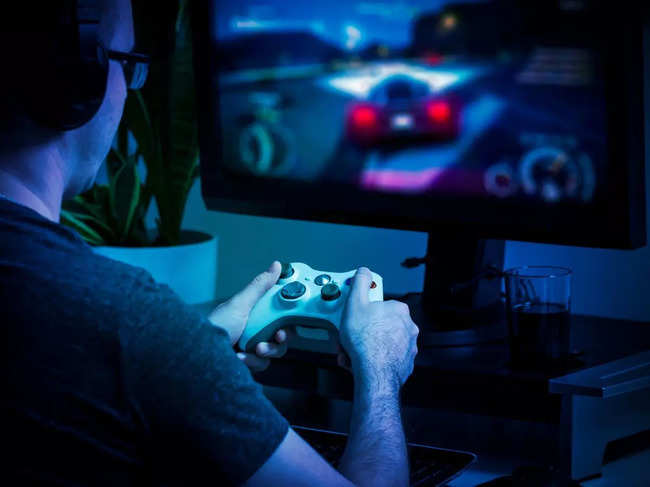
In an increasingly connected world where modern life often feels like a constant grind, many adults are seeking effective ways to unwind and manage daily stressors. For a growing number of US gamers, averaging over 10 hours a week across mobile, PC, and console, video games offer more than just entertainment; they provide a potential avenue for stress relief and mental well-being. This comprehensive guide explores the crucial question: can gaming cure depression? We delve into the psychological impacts of interactive entertainment, dissecting both the benefits and potential pitfalls. Learn how balanced gaming, particularly through social engagement and skill-building, might serve as a valuable coping mechanism. Discover practical tips for integrating gaming into a healthy lifestyle, ensuring it enhances rather than detracts from your mental health journey. We address common gamer concerns like balancing screen time with real-world responsibilities, optimizing performance for a smooth experience, and finding community. Understand when gaming offers genuine support and when professional help is essential. This article aims to provide actionable insights for gamers who value mental wellness without the hype, helping you navigate the complex relationship between gaming and depression.
Q: Is playing video games good for your mental health?
A: Yes, playing video games can offer several mental health benefits. They can provide a sense of achievement, distraction from negative thoughts, opportunities for social connection, and improve cognitive skills like problem-solving and focus. For many, it serves as a valuable form of stress relief and relaxation when approached in a balanced way.
Q: Can online gaming reduce feelings of isolation?
A: Absolutely. Online gaming platforms, coupled with voice chat tools like Discord, create vibrant communities where players can connect, collaborate, and form friendships. This shared experience and sense of belonging can significantly combat feelings of loneliness and isolation, a common challenge for individuals struggling with depression.
Q: What are the best games for stress relief and relaxation?
A: Games that promote creativity, exploration, and low-stakes interaction are often best for stress relief. Consider 'cozy games' like Animal Crossing or Stardew Valley, narrative-rich RPGs, or engaging puzzle games. The key is to find titles that immerse you positively without adding extra pressure or frustration.
Q: How can I tell if gaming is negatively affecting my mood?
A: Pay attention to whether gaming is interfering with your daily life. Signs include neglecting responsibilities, sleep disturbances, increased irritability when not playing, losing interest in other hobbies, or feeling worse after gaming sessions. If you are using games solely to avoid problems, it might be a negative indicator.
Q: Does gaming offer cognitive benefits for depressed individuals?
A: Many games require strategic thinking, problem-solving, and quick decision-making, which can boost cognitive functions. For someone experiencing depression, these activities can provide mental stimulation, a sense of competence, and a positive focus, potentially improving attention and concentration.
Q: Where can I find supportive gaming communities for mental wellness?
A: Look for communities on platforms like Discord servers dedicated to specific games or mental health, subreddits focused on wholesome gaming, or through streamers who cultivate positive environments. Many cooperative multiplayer games naturally foster supportive communities. Seek out groups that prioritize fun and respect over intense competition.
Q: When should I seek professional help for depression instead of gaming?
A: Gaming can be a coping tool, but it is not a replacement for professional help. If you experience persistent sadness, hopelessness, severe changes in sleep or appetite, thoughts of self-harm, or if gaming is negatively impacting your life significantly, seek help from a therapist or doctor immediately. They can provide tailored support and treatment.
Life in 2026 for the average gamer is a balancing act. You are likely juggling work, family, and personal responsibilities, all while craving that precious downtime to unwind. For many, gaming isn't just a hobby; it is a vital escape, a way to connect with friends, and a path to challenge your mind. With an impressive 87 percent of US adults regularly engaging with video games, often dedicating 10 or more hours each week, it is clear that interactive entertainment plays a significant role in our lives. But beyond the fun and competition, a deeper question emerges: can gaming cure depression? It is a complex query without a simple yes or no, but understanding its nuances can empower you to use gaming as a force for good in your mental wellness journey. This article will cut through the hype and provide practical, research-backed insights to help you navigate this relationship, ensuring your gaming habit supports a healthier you.
We will explore how different game types impact mood, the critical role of social interaction in online worlds, and how to maintain a healthy balance. We will also tackle common gamer pain points, from optimizing your setup on a budget to knowing when gaming might be hindering more than helping. Let's dive in and uncover the true potential of gaming for mental well-being.
Can Gaming Genuinely Help with Depression or Mental Health Struggles?
Yes, for many individuals, gaming can genuinely offer significant benefits that support mental well-being and potentially alleviate certain symptoms associated with depression. It is not a cure in the medical sense, but rather a powerful coping mechanism and a source of positive experiences. Research and anecdotal evidence suggest that engaging with video games can provide a sense of agency, achievement, and distraction from negative thought patterns. For busy adults, the structured goals and immediate feedback in games can be incredibly satisfying, offering a tangible sense of progress that might be lacking in other areas of life. This month's trends continue to highlight the rise of 'cozy games' and narrative-driven titles that emphasize relaxation and emotional engagement over intense competition.
Moreover, the immersive nature of games can act as a temporary escape, allowing your mind to decompress from real-world stressors. Many games foster problem-solving skills, quick thinking, and strategic planning, which can boost cognitive function and self-esteem. When you are feeling down, successfully completing a quest or mastering a new skill in a game can provide a much-needed sense of accomplishment. The key is balance and intentionality, using gaming as a tool for support rather than sole reliance.
What Types of Games Are Best for Mental Well-Being and Stress Relief?
When considering games for mental well-being, the 'best' type often depends on your individual needs and current mood. However, certain genres consistently demonstrate positive impacts. Games that offer a sense of control and progression without overwhelming difficulty are often highly beneficial.
- Cozy Games & Simulation Titles: Think Animal Crossing, Stardew Valley, or Planet Zoo. These games offer low-stakes, creative environments where players can build, nurture, and customize. They are excellent for relaxation, reducing anxiety, and fostering a sense of calm. Many busy gamers find these perfect for winding down after a long day, offering a gentle, rewarding escape without intense focus.
- Role-Playing Games (RPGs) & Narrative Adventures: Titles like The Witcher 3, Baldur's Gate 3, or Life is Strange provide rich storytelling and character development. They allow players to immerse themselves in different worlds, offering a sense of escapism and empathy. Making choices within these narratives can also provide a feeling of agency.
- Puzzle Games: Tetris, Portal, or even mobile games like Candy Crush can improve focus, problem-solving skills, and offer a satisfying sense of completion. They provide a mental workout that can distract from negative rumination.
- Cooperative Multiplayer Games: Games like Among Us, Phasmophobia, or even Destiny 2 (when played with friends) foster social connection and teamwork. This is crucial, as social isolation is a major factor in depression, and online communities can provide a sense of belonging.
The right game provides enjoyment and challenge without adding more stress, fitting seamlessly into your limited free time. This month, look for community-driven initiatives around accessible, relaxing titles.
How Does Social Gaming Impact Mood and Connection for Gamers?
Social gaming is a powerful antidote to loneliness and a significant booster for mood, especially for adults navigating complex lives. With platforms like Discord thriving, and cross-play becoming the norm across PC and console, connecting with friends or finding new communities has never been easier. For many US gamers, particularly the average 36-year-old balancing work and family, social gaming offers a flexible way to maintain friendships and build new ones without the logistical challenges of in-person meetups.
Engaging in cooperative quests, competitive matches, or even just hanging out in a virtual world provides a sense of belonging and shared experience. These interactions can alleviate feelings of isolation, a common symptom of depression. Shared laughter, teamwork, and mutual support in a game can build strong bonds and provide a much-needed sense of community. Even free-to-play titles often have robust social features, making these connections accessible to everyone. The accountability of playing with a team can also motivate you to engage, even on days when motivation is low, and the camaraderie can lead to genuine off-screen friendships.
Are There Risks to Using Gaming as Your Primary Coping Mechanism?
While gaming offers many benefits, relying on it as your sole coping mechanism for depression can indeed carry risks. It is crucial to distinguish between healthy engagement and potentially maladaptive patterns. If gaming starts to interfere with essential life responsibilities like work, family time, sleep, or personal hygiene, it may be a sign of a problem. Excessive gaming can lead to neglecting self-care, exacerbating feelings of guilt, and worsening isolation if it replaces real-world interactions entirely.
One common pain point for gamers is performance issues or setup frustrations. If your gaming experience consistently leads to anger or stress due to technical glitches or competitive toxicity, it negates the potential mental health benefits. Furthermore, if you find yourself constantly chasing the next in-game purchase or feeling compelled to play even when you are not enjoying it, it is a red flag. The goal is to use gaming as a supportive tool within a balanced lifestyle, not as a complete escape from addressing underlying issues. A healthy relationship with gaming involves setting boundaries and recognizing when it is no longer serving your well-being.
How Can Busy Gamers Balance Their Hobby with Daily Life Responsibilities?
Balancing a passion for gaming with the demands of adult life is a constant challenge for many. The good news is, it is entirely possible with a bit of strategy and self-awareness. Here are some practical tips:
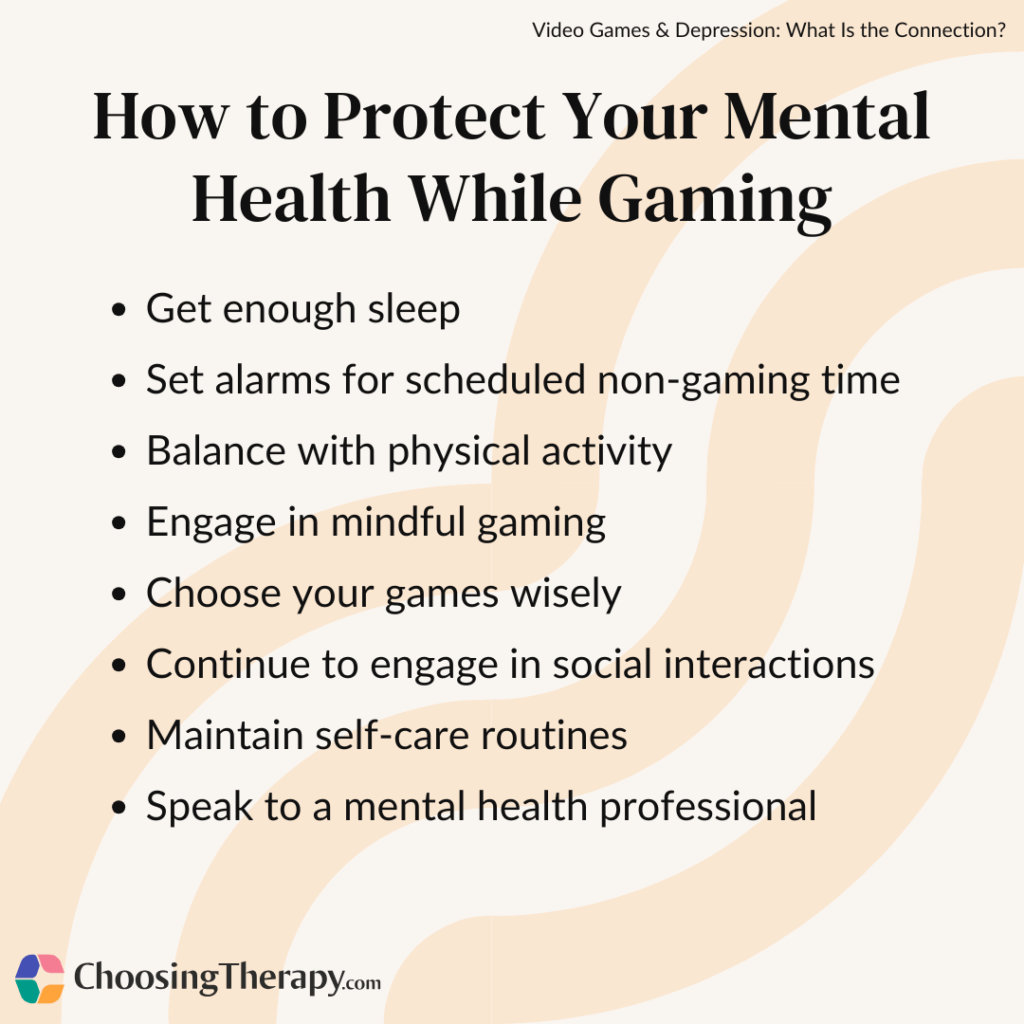
- Set Clear Time Limits: Use alarms or in-game timers. Decide beforehand how long you will play and stick to it. Many modern consoles and PC launchers offer parental control features that can also be used for self-management.
- Schedule Gaming Sessions: Treat your gaming time like any other appointment. Knowing you have dedicated time for it can reduce the urge to spontaneously play and neglect other tasks. This helps integrate gaming into your routine rather than letting it disrupt it.
- Prioritize Responsibilities First: Finish your work tasks, spend time with family, or tackle chores before booting up your system. This reduces guilt and allows you to enjoy your gaming session more fully.
- Choose Games Wisely: For limited time slots, opt for games with clear objectives or shorter play sessions. Free-to-play mobile games or quick rounds in a competitive title can be perfect for a 30-minute break. Avoid open-world games that demand endless hours if you are short on time.
- Communicate with Family: Let your family know when you plan to game and for how long. This prevents misunderstandings and ensures everyone's needs are respected.
- Take Regular Breaks: Even during longer sessions, stand up, stretch, and hydrate. This improves physical health and can prevent burnout.
Remember, gaming should complement your life, not consume it. Finding that sweet spot ensures it remains a source of relaxation and joy.
What Tech Considerations Help Optimize a Mental Wellness Gaming Setup?
A smooth gaming experience is crucial for mental wellness; nothing is more frustrating than technical issues when you are trying to relax. Optimizing your setup does not always mean breaking the bank. Here are some considerations:
- Reliable Internet Connection: For social or competitive online gaming, a stable, low-latency connection is paramount. Lag spikes can quickly turn a fun session into a rage-inducing one. Invest in good Wi-Fi or, better yet, a wired Ethernet connection for your primary gaming device.
- Comfortable Ergonomics: A good gaming chair, proper monitor height, and a comfortable mouse/keyboard or controller setup can prevent physical strain, which contributes to mental fatigue. Your body will thank you, and you will enjoy longer, more comfortable sessions.
- Audio Quality: Good headphones (with a mic for social games) can immerse you further and reduce distractions, enhancing relaxation. Clear communication is also vital for teamwork.
- Performance Optimization: If you are on PC, keep drivers updated, manage background applications, and consider budget-friendly hardware upgrades like an SSD for faster load times, or a modest GPU upgrade for smoother frame rates. For consoles, ensure adequate ventilation to prevent overheating.
- Display Calibration: Adjust your monitor's brightness and color settings for optimal viewing comfort, especially during extended play. Many monitors offer eye-care modes to reduce blue light.
A setup that runs well and feels good enhances the positive aspects of gaming, reducing frustration and maximizing your enjoyment, which directly contributes to mental well-being. Look for sales on essential components, as budget-friendly upgrades are often available.
How Do Mobile and Free-to-Play Games Fit into Gaming for Mental Health?
Mobile and free-to-play (F2P) games have become incredibly significant in the gaming landscape, especially for the average US gamer. They offer unprecedented accessibility and flexibility, making them powerful tools for mental wellness. Mobile gaming alone accounts for a dominant share of playtime, allowing gamers to jump into a relaxing puzzle, a quick social session, or a narrative adventure on the go, whether during a lunch break or while waiting for an appointment.
F2P titles, often available across mobile, PC, and console, democratize access to engaging experiences. Games like Fortnite, Genshin Impact, or Call of Duty Mobile provide high-quality gameplay and robust social features without an upfront cost. This accessibility means financial barriers are lowered, allowing more people to experience the potential mental health benefits of gaming, from stress relief to social connection. However, it is essential to be mindful of in-game purchases and potential monetization tactics that can encourage excessive play. Setting a budget for microtransactions, if you choose to engage, is a smart strategy to maintain financial and mental health.
When Should Someone Seek Professional Help Instead of Relying Solely on Gaming?
It is vital to understand that while gaming can be a supportive tool, it is not a substitute for professional mental health care, especially when dealing with clinical depression or severe mental health struggles. If you find yourself consistently feeling sad, hopeless, losing interest in activities you once enjoyed, experiencing significant changes in sleep or appetite, or having thoughts of self-harm, it is time to seek professional help immediately.
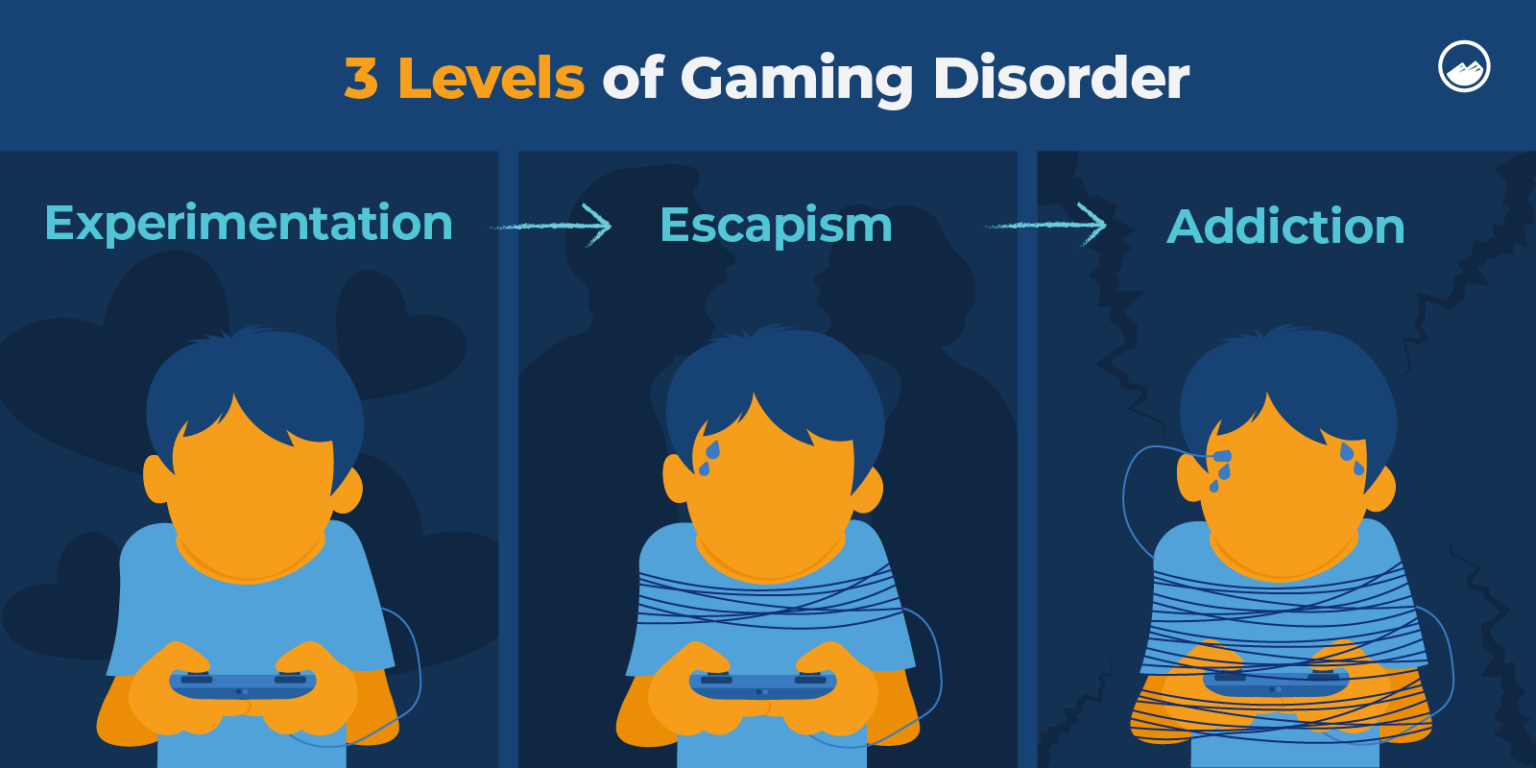
Signs that gaming might be becoming a maladaptive coping mechanism include:
- Using gaming to avoid problems rather than confront them.
- Neglecting real-world responsibilities, relationships, or personal hygiene for gaming.
- Feeling irritable, anxious, or depressed when unable to play.
- An inability to reduce or stop gaming despite negative consequences.
- Experiencing increasing tolerance, needing more and more gaming time to feel the same effect.
A mental health professional, such as a therapist or counselor, can provide tailored strategies, diagnosis, and support that gaming simply cannot. They can help you develop healthy coping mechanisms, address underlying issues, and integrate gaming into a balanced life in a constructive way. Gaming can be a part of your wellness journey, but it should complement, not replace, expert guidance when needed. Resources like the National Alliance on Mental Illness (NAMI) or the Mental Health America (MHA) are excellent starting points to find support.
In conclusion, the question of whether gaming can cure depression is best answered by understanding its role as a powerful supportive tool rather than a standalone remedy. For millions of US gamers balancing complex lives, video games offer genuine avenues for stress relief, social connection, cognitive stimulation, and a sense of accomplishment. By choosing the right games, setting healthy boundaries, optimizing your setup for comfort and performance, and actively engaging with communities, you can leverage gaming to enhance your mental well-being.
Remember, a balanced approach is key. Gaming should be one component of a holistic strategy that includes physical activity, healthy nutrition, strong social connections, and, importantly, professional mental health support when necessary. Embrace the joy and benefits gaming offers, but always prioritize your overall health. What is your biggest gaming challenge when it comes to balancing it with your mental health? Comment below!
FAQ Section: Gaming and Mental Health
Here are some quick answers to common questions about gaming and mental well-being:
Is gaming considered a legitimate form of therapy?
Gaming itself is not a formal therapeutic treatment for depression. However, some therapists utilize 'game-based interventions' or 'serious games' as supplementary tools to teach skills, manage anxiety, or build social connections within a broader therapeutic plan. Its recreational use offers many mental health benefits but is not a standalone cure.
Can playing video games make my depression worse?
Yes, if not managed properly. Excessive gaming, using it to completely avoid real-world problems, or engaging in highly toxic online environments can worsen feelings of isolation, anxiety, or depression. It is crucial to maintain balance and use gaming constructively.
What is the average time spent gaming by adults for mental health benefits?
There is no specific 'average time' for benefits, as it varies by individual. However, US gamers regularly spend 10+ hours a week. The key is quality over quantity; even short, intentional sessions (30-60 minutes) can provide significant stress relief and enjoyment, without disrupting other life aspects.
Are there any specific cognitive benefits from gaming for someone with depression?
Many games enhance problem-solving, decision-making, reaction time, and spatial reasoning. For individuals with depression, engaging these cognitive functions can provide a sense of achievement, improve focus, and offer a positive distraction from ruminative thoughts, potentially boosting self-esteem.
How can I find healthy gaming communities to combat loneliness?
Look for communities centered around cooperative games or specific interests on platforms like Discord, Reddit, or in-game forums. Many content creators also foster positive communities. Focus on groups that emphasize teamwork, respect, and mutual enjoyment over intense competition or toxicity.
Does mobile gaming offer the same mental health benefits as PC or console gaming?
Absolutely. Mobile gaming offers unique benefits due to its accessibility and convenience, allowing for quick, mood-boosting sessions anytime, anywhere. Many mobile titles provide rich social experiences, engaging narratives, and stress-reducing gameplay that are just as effective as their PC or console counterparts in supporting mental well-being.
What are some red flags that indicate gaming is becoming unhealthy?
Red flags include neglecting work or school, avoiding social interactions outside of games, persistent sleep disruption, increased irritability when not gaming, financial issues due to in-game purchases, and using gaming as your only coping mechanism for stress or sadness. If these occur, it is time to reassess your habits or seek help.
Gaming as a coping mechanism and stress relief. Social gaming for connection and reducing isolation. Cognitive skill development through gaming. Importance of balanced play and recognizing potential risks. When to seek professional mental health support. Practical tips for integrating gaming into a healthy lifestyle.
34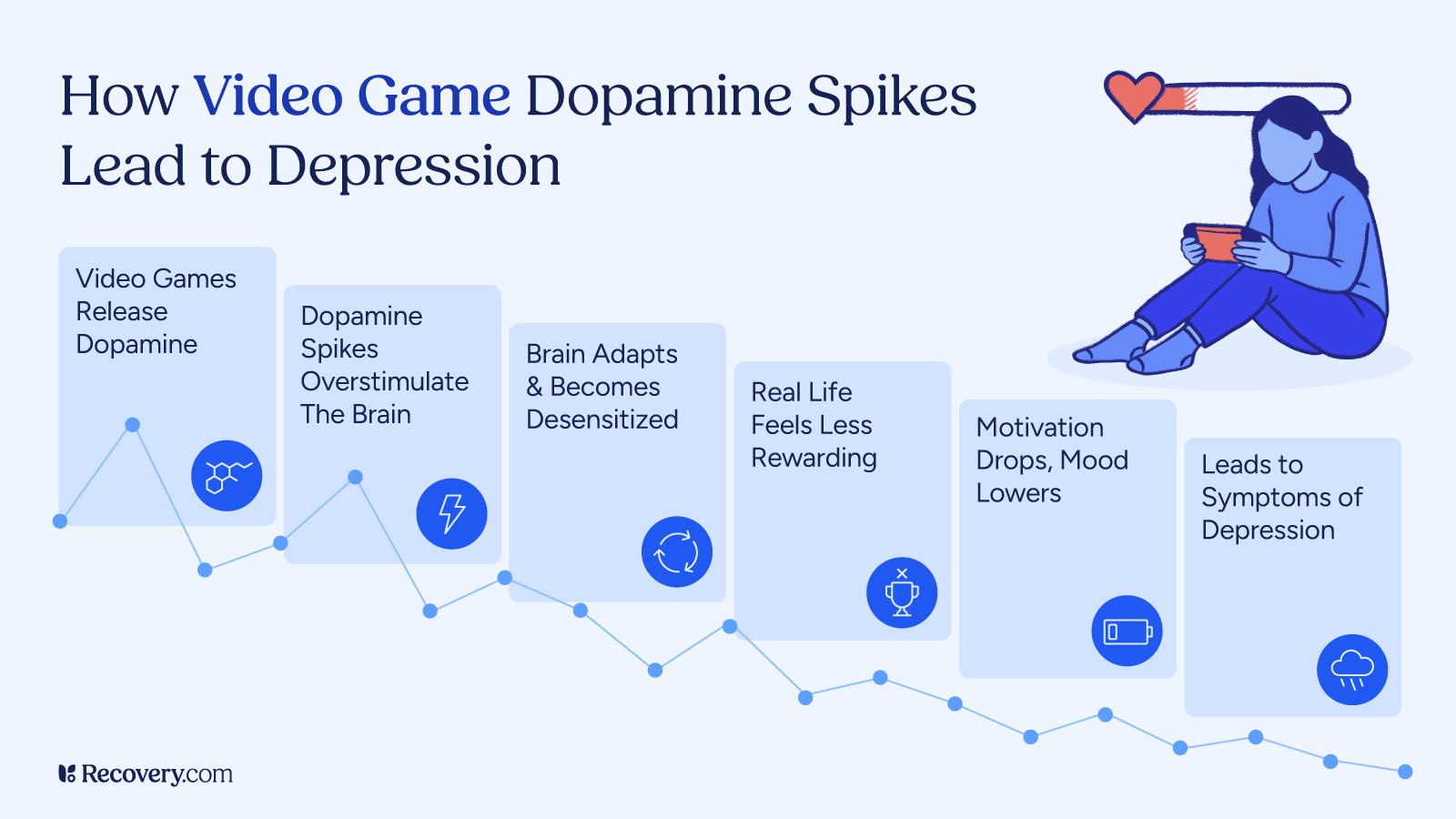
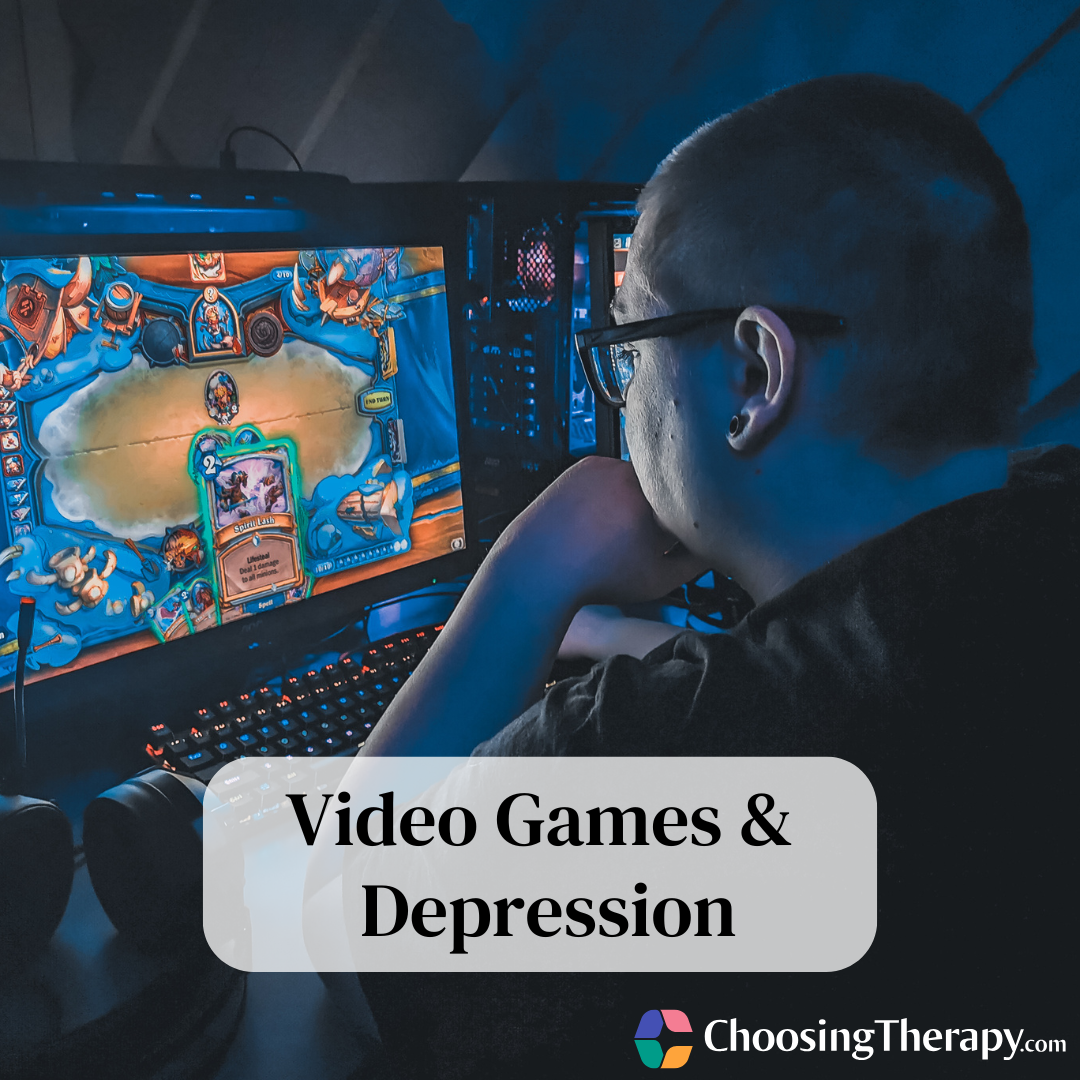
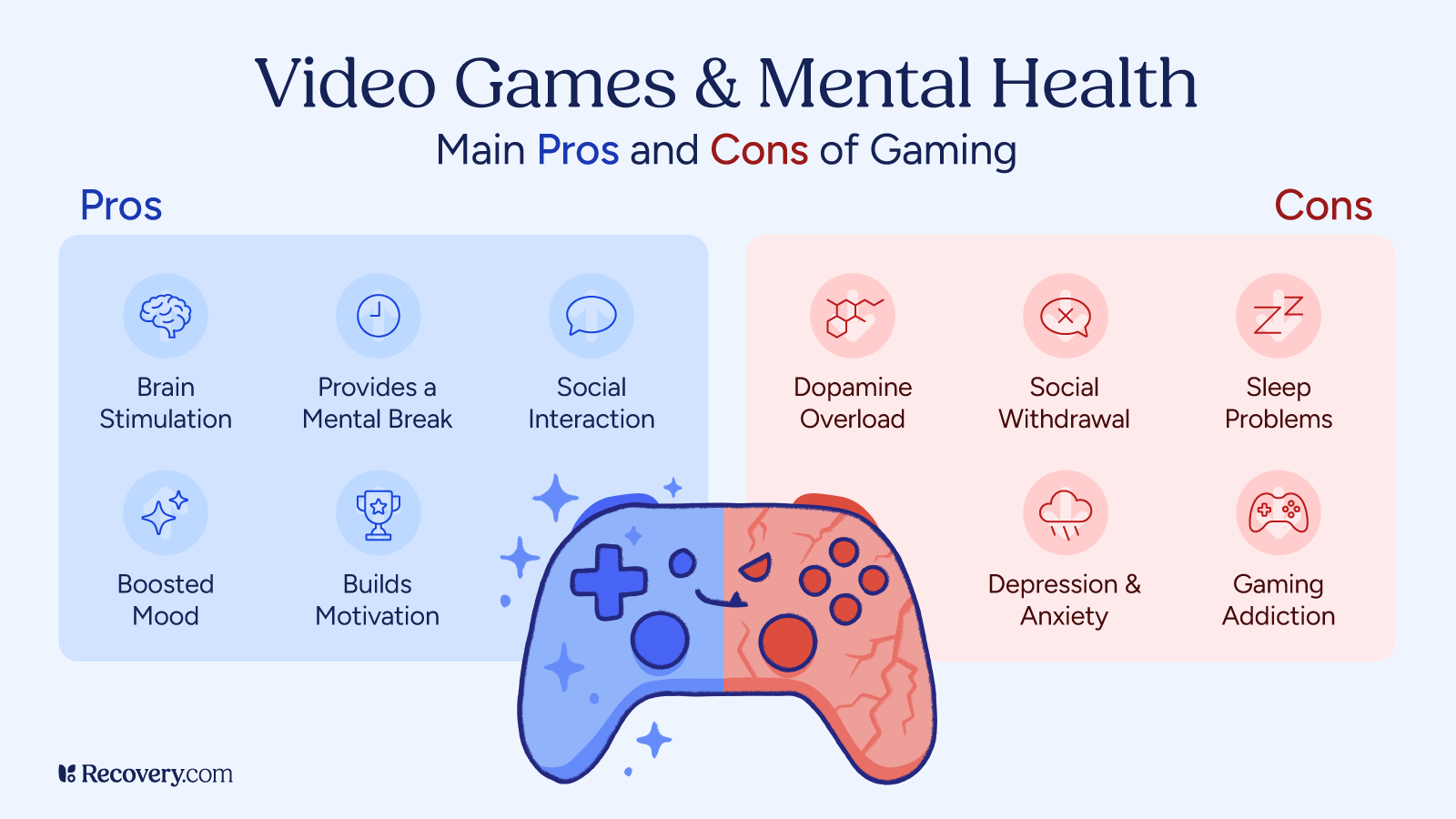
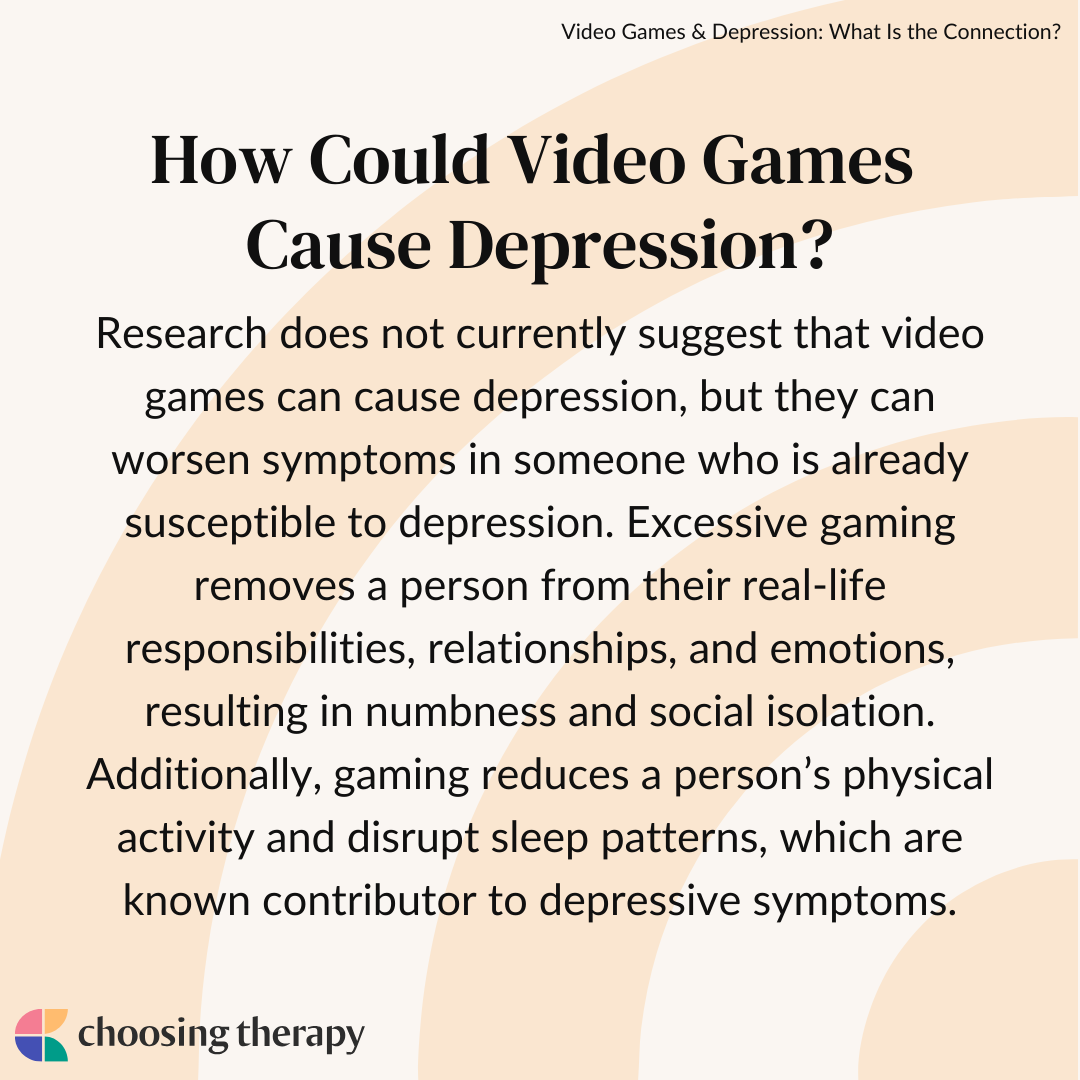
Video Games And Depression Gaming S Impact On Mental Health And Wellness Video Games Dopamine Depression Infographic . Can Video Games Cause Depression Video Games Depression . Video Games And Depression Gaming S Impact On Mental Health And Wellness Video Games Mental Health Pros Cons . Best Video Games For Depression At Tim Long Blog How Could Video Games Cause Depression . Can Video Games Help Monitor Depression These Two Scientists Think So



Can Gaming Addiction Cause Anxiety And Depression Can Gaming Addiction Lead To Anxiety And Depression 768x392 . 5 Ways Video Games Can Help You Beat Depression Conquer Anxiety And . Can Video Games Cause Depression How To Protect Your Mental Health While Gaming 1024x1024 . Can Gaming Cure Depression Valorant YouTube . Treat Depression Without Medication Different Mental Health New Depression Treatment 2026.webp



Best Video Games For Depression At Tim Long Blog Pandemic Depression Have You Tried Gaming Cover . Gaming Therapy Video Games For Mental Health Treatment Gaming Therapy Harnessing The Power Of Video Games For Mental Health. Why Gaming Can Cure Depression Depression Gaming Sekiro Oardefault . 6 Games That Can Help Cure Depression YouTube . Study Casual Video Games Demonstrate Ability To Reduce Depression And Img1906 03 300x191


Gaming With Depression It S Okay To Not Be Okay Gaming With Depression 2 . Premium Photo Stress Gamer Or Man With Headache From Loss Fail Or Stress Gamer Man With Headache From Loss Fail Online Competition Tournament Anxiety Room Neon Sad Depression Male Gaming Mental Health Live Stream Esport Glitch 590464 155898 . Game On Study Reveals Video Games Can Help Treat Depression 27 03 1052021554 . Video Games And Depression Is There A Connection Healthy Gamer Video Games And Depression . Video Game Addiction 11 Signs Symptoms And Treatments Video Game Addiciton Graphics 04 The Three Levels Of Gaming Disorder 1536x768


Recognizing The Signs Of Depression Early The Stuff Of Success 7995c7cd B365 456d B336 Md . Can Depression Be Cured Treatment Recovery And Outlook 8 Can Depression Be Cured.webp. How To Beat Depression By Yourself 435256 Dealing With Depression Being Single And Over 25 Body 1296x1283 1 1024x1014 . Medication Nhs Of For Depression Medication Treatment . Sadness Definition Causes What Is The Psychology Definition For 9290 Depression



What Is Ketamine Depression Treatment In Florida 2026 What Is Ketamine Depression Treatment In Florida 2026 . How Do You Get Depression Lets Talk Honestly Depression Statistics 2025 Min . Depression Treatment Statistics In US 2026 Key Facts The World Data Depression Treatment Statistics In US 768x403 . Depression Signs Causes Treatments 2026 Guide Manage Depression Banner Holistic Living Wellness Studio 1024x512 1 . Can Gaming Lead To Depression Or Aggression Experts Bust Myths About Gaming

Gaming As Therapy How Video Games Promote Mental Health And Act As A Gaming Therapy 5. Can Video Games Cause Depression Video Games Depression What Is The Connection . How To Treat Depression Naturally Simple Steps That Work Peniel How To Treat Depression Naturally . Depression Can Rehab Help You Overcome It 4 1