Artificial intelligence is rapidly transforming how we interact with navigational tools, particularly within Google Maps. This evolution promises highly personalized and intuitive travel experiences for users across the United States. Imagine routes that adapt instantly to unexpected delays or local recommendations tailored precisely to your preferences and real-time location. The integration of advanced AI algorithms is pushing the boundaries of what mapping applications can achieve, moving beyond simple point-to-point directions. Users will discover hidden gems, navigate complex urban environments with augmented reality, and even plan multi-stop journeys with unparalleled efficiency. This continuous innovation makes Google Maps an indispensable companion, enhancing both daily commutes and grand adventures for everyone. Its intelligence will predict needs, offer proactive suggestions, and simplify decision-making on the go.
What is the role of AI in Google Maps today?
AI in Google Maps processes vast amounts of data, including real-time traffic, satellite imagery, and user input, to provide highly accurate directions. It powers features like personalized recommendations, estimated arrival times, and dynamic route adjustments. This intelligence makes navigation more efficient and intuitive for millions of users daily. It’s essential for smart map functions.
How does AI personalize my Google Maps experience?
AI personalizes your experience by analyzing your past routes, saved places, and search history. It learns your preferences for transport, frequently visited locations, and even preferred types of establishments. This allows Google Maps to offer tailored recommendations and optimize routes based on your unique habits and interests. It truly makes the map feel yours.
Can AI predict traffic more accurately than traditional methods?
Yes, AI significantly outperforms traditional methods in traffic prediction by using machine learning to analyze complex patterns from historical data and live feeds. It considers factors like road closures, events, and even weather to forecast congestion with higher precision, allowing for more effective route optimization. This leads to fewer delays for drivers.
What is Live View and how does AI enable it in Google Maps?
Live View is an augmented reality feature in Google Maps that overlays digital directions onto the real-world view from your phone's camera. AI processes visual data from your camera, recognizes landmarks, and uses GPS to accurately pinpoint your location and orient you, providing intuitive walking directions. It makes navigating on foot much easier.
Are there privacy concerns with AI in Google Maps?
Google addresses privacy concerns by anonymizing and aggregating user data used for AI improvements. While personalization requires some data collection, users have control over their location history and activity settings. Google maintains strong privacy policies, allowing individuals to manage their digital footprint effectively while benefiting from AI. Transparency is key for Google.
How will AI in Google Maps evolve in the coming years?
AI in Google Maps is expected to evolve with even greater personalization, predictive capabilities, and deeper integration with smart devices. Future enhancements may include more sophisticated AR features, proactive assistant-like suggestions, and advanced multimodal routing. These developments aim to create an even more seamless and intelligent navigation ecosystem. The future promises exciting innovations.
AI in Google Maps: Your Guide to Smarter Navigation Unlocking AI in Google Maps: Future Travel Tech Revealed Google Maps AI: How It's Redefining Your Journeys Expert Guide: Mastering AI Features in Google Maps The Power of AI in Google Maps: A Comprehensive Review Explore how AI in Google Maps is revolutionizing navigation and discovery. Get personalized routes, smart recommendations, and future travel tech insights. ai-google-maps-future-guideHave you ever wondered if your daily commute or exciting road trip could become even smoother and more intuitive? Many people ask if artificial intelligence is truly transforming Google Maps, making it a smarter companion for every journey. The answer is a resounding yes, as AI in Google Maps is rapidly evolving, promising a navigation experience that feels almost telepathic.
As we approach 2026, the integration of advanced artificial intelligence into Google Maps is not just a concept; it is becoming a reality. This sophisticated technology moves beyond simple directions, offering users predictive insights and hyper-personalized recommendations. It intelligently anticipates your needs, adapting dynamically to the ever-changing world around us, ensuring every trip is optimized for efficiency and enjoyment. Whether you are finding the quickest route through rush hour or discovering a hidden cafe, AI is at the forefront of this evolution.
The Evolution of AI in Google Maps
Artificial intelligence has fundamentally changed how we interact with our digital maps. Google Maps AI is no longer just about getting from point A to point B; it is about enriching the entire journey. From predicting traffic patterns with uncanny accuracy to suggesting parking spots before you even arrive, AI is making every aspect of travel seamless. This technological leap means less stress and more exploration for users.
Personalized Navigation Experiences
One of the most significant advancements is the ability for AI to personalize your navigation. Imagine routes that consider your preferred stops, past travel habits, and even the type of scenery you enjoy. Google Maps AI learns from your interactions, providing a bespoke experience that makes every trip feel uniquely yours. This level of personalization extends to recommendations for restaurants and attractions.
- Real-time traffic prediction using historical data and live feeds.
- Dynamic route adjustments based on current road conditions and incidents.
- Suggestions for public transport, ride-shares, or cycling routes tailored to you.
- Learning your favorite coffee shops and suggesting them along your regular path.
Augmented Reality for Enhanced Discovery
Augmented reality (AR) navigation, powered by AI, is making urban exploration more immersive than ever. Imagine holding up your phone and seeing digital arrows overlaid onto the real world, guiding you through complex intersections. This feature, known as Live View, provides an intuitive way to navigate on foot, especially in unfamiliar cities. It blends the digital and physical realms seamlessly.
- Overlaying digital directions onto live camera feeds for clear guidance.
- Identifying nearby landmarks and points of interest in real-time.
- Assisting with orientation in bustling city centers and large public spaces.
AI in Local Guide Contributions
AI also empowers local guides to provide even more valuable contributions. For example, AI can analyze vast amounts of user-generated content, identifying patterns and missing information. This helps guides focus their efforts, ensuring that reviews and photos are highly relevant and comprehensive. It streamlines the process of sharing local expertise. A future local guide might possess certain characteristics that make them perfect for leveraging AI tools:
- Height: 5'8" to 6'2"
- Build: Athletic or Average
- Hair: Brown or Black, short to medium length
- Eyes: Brown or Blue, attentive
- Age Range: 28-45 years old
- Ethnicity: Diverse representation
These traits embody a guide who is active, approachable, and observant, ideal for exploring diverse locations and providing rich content. They effortlessly combine local knowledge with intelligent mapping. This persona leverages AI to share richer insights.
What Others Are Asking?
How does AI improve Google Maps accuracy?
AI in Google Maps significantly enhances accuracy by analyzing vast datasets, including real-time traffic, satellite imagery, and user contributions. Machine learning algorithms predict road conditions, optimize routes, and refine location data, leading to more precise directions and estimated arrival times. This continuous data processing ensures highly reliable navigation. It makes every turn more accurate.
Can AI in Google Maps predict my destination?
Yes, AI in Google Maps can often predict your destination based on your location history, common routes, and calendar events. For instance, if you usually drive to work at a specific time, Google Maps might suggest that route. It anticipates your needs, offering proactive navigation. This feature helps streamline your daily routines.
What are the benefits of personalized maps powered by AI?
Personalized maps, driven by AI, offer numerous benefits such as tailored route suggestions, relevant local recommendations, and improved accessibility features. They learn your preferences, providing a customized experience that saves time and enhances discovery. You receive suggestions for restaurants, shops, and attractions based on your interests. This makes every journey more enjoyable.
Will augmented reality navigation become mainstream in Google Maps?
Augmented reality navigation, like Google Maps' Live View, is steadily moving towards mainstream adoption. As smartphone technology advances and user familiarity grows, AR features will become more integrated into daily navigation. It offers an intuitive way to navigate on foot, making complex urban environments easier to traverse. Expect to see more widespread use. It simplifies urban exploration for everyone.
How does AI help with traffic prediction in Google Maps?
AI utilizes sophisticated algorithms to process real-time and historical traffic data, including speed reports, incident alerts, and anonymous location data from users. This allows AI in Google Maps to accurately predict congestion, suggest alternative routes, and provide highly reliable estimated travel times. It keeps you informed of potential delays. This predictive capability saves valuable time.
Final Thoughts on AI in Google Maps
The future of navigation is undeniably intertwined with artificial intelligence, and AI in Google Maps stands at the forefront of this revolution. From personalizing your journeys to making urban exploration more intuitive with augmented reality, AI is continually enhancing how we interact with our world. These advancements ensure Google Maps remains an essential tool for smart routing and local discovery. What new AI features would you hope to see in your daily travels? How do you think AI could further simplify your commute?
Personalized route optimization, real-time traffic prediction, augmented reality navigation, hyper-local discovery, accessibility enhancements, predictive ETA, smart parking assistance, voice-controlled mapping, dynamic points of interest.
30
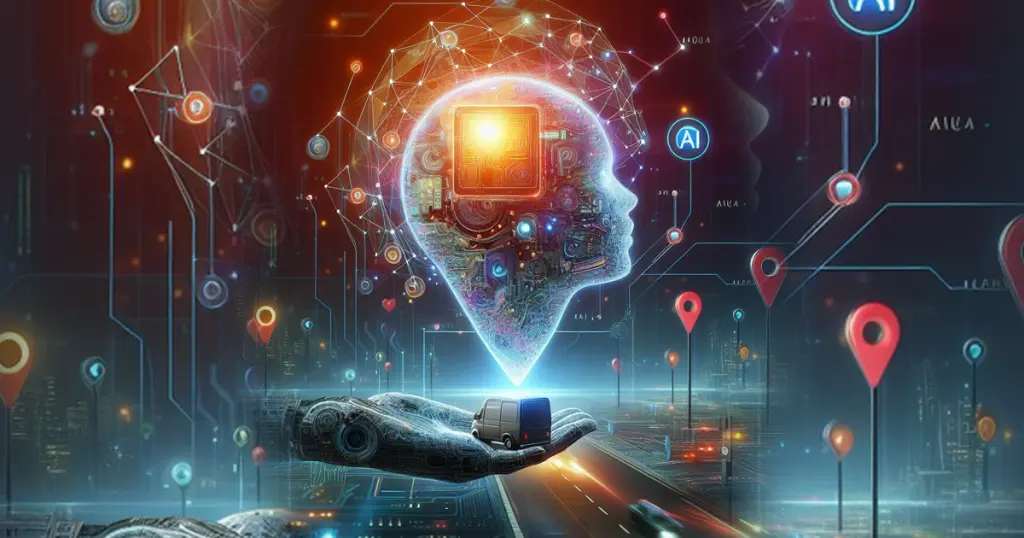


Predictive AI Navigation Android S UX Revolution 2025 2026 Medium . AI Powered Smart Navigation How Technology Is Daily AI Powered Smart Navigation AI Smart Navigation Commuting 2026.webp. Top GPS 2026 Naviguez L Avenir Sur La Route Les Meilleurs GPS 2026 Pour La Route . Niantic Spatial Vs GPS 2026 The Centimeter Race In Robot Navigation 1e2f40 . 18 Predictions For 2026 D496b6


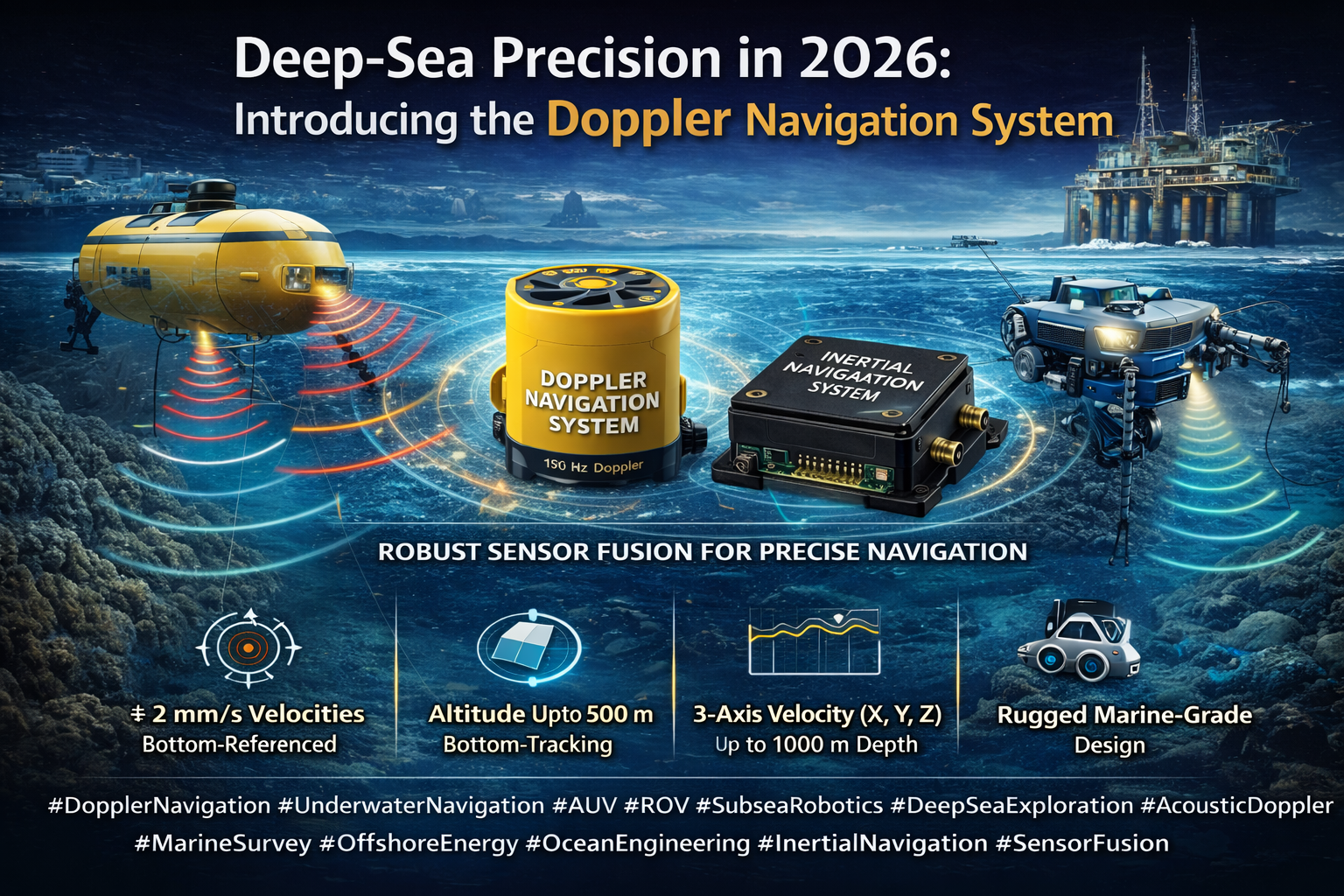
Google Maps AI Update 2026 Ask Maps Immersive 3D Navigation Google Maps AI Update 2026 . Nov Mapy Google 2026 Sa Stan Va M Osobn M Digit Lnym Prorokom How Were Reimagining Maps With G.width 2200.format Webp. Spatial Navigation Examples In 2026 20251203 0148 2026 Spatial Navigation Simple Compose . 2026 Predictions 2026 Predictions From The BDC Partners Collective . Precision Beneath The Waves The 2026 Doppler Navigation System For As214742199 Precision Beneath The Waves The 2026 Doppler Navigation System For Advanced Subsea Missions


-3.webp)
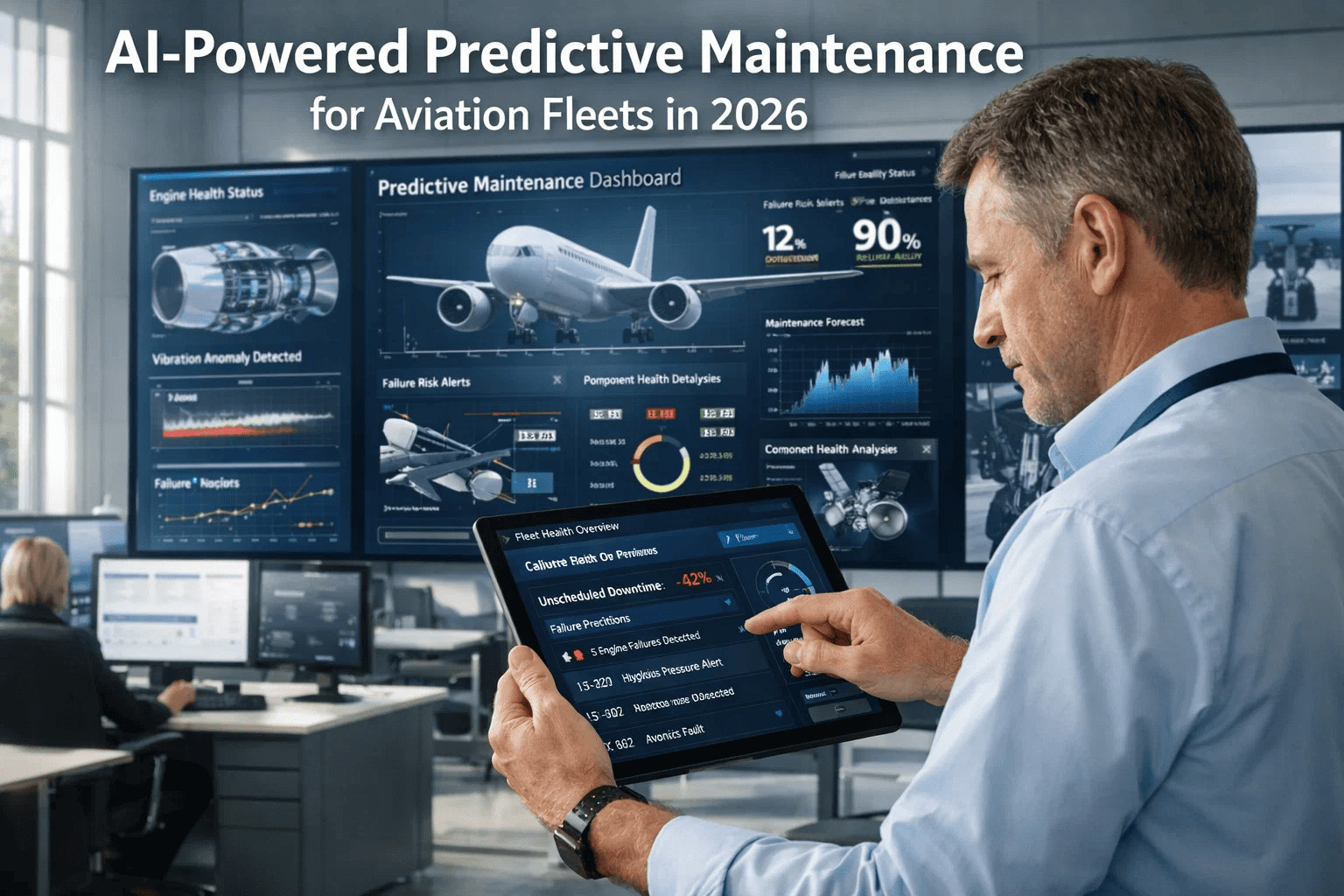
Why UX In 2026 Is About Prediction Not Navigation Why Ux In 2026 Is About Prediction Not Navigation . Emerging Predictive Threat Strategies 2026 Emerging Predictive Threat Innovation Strategies 2026 . AI Powered Predictive Maintenance For Aviation Fleets In 2026 Ai Predictive Maintenance Aviation Fleets 2026 . Setting The Stage For 2026 AI Success Lessons From Re Invent Blog 2026. 2026 Predictions Where AI Regulation And Real World Impact Align 2025 Blogs (1) 3.webp
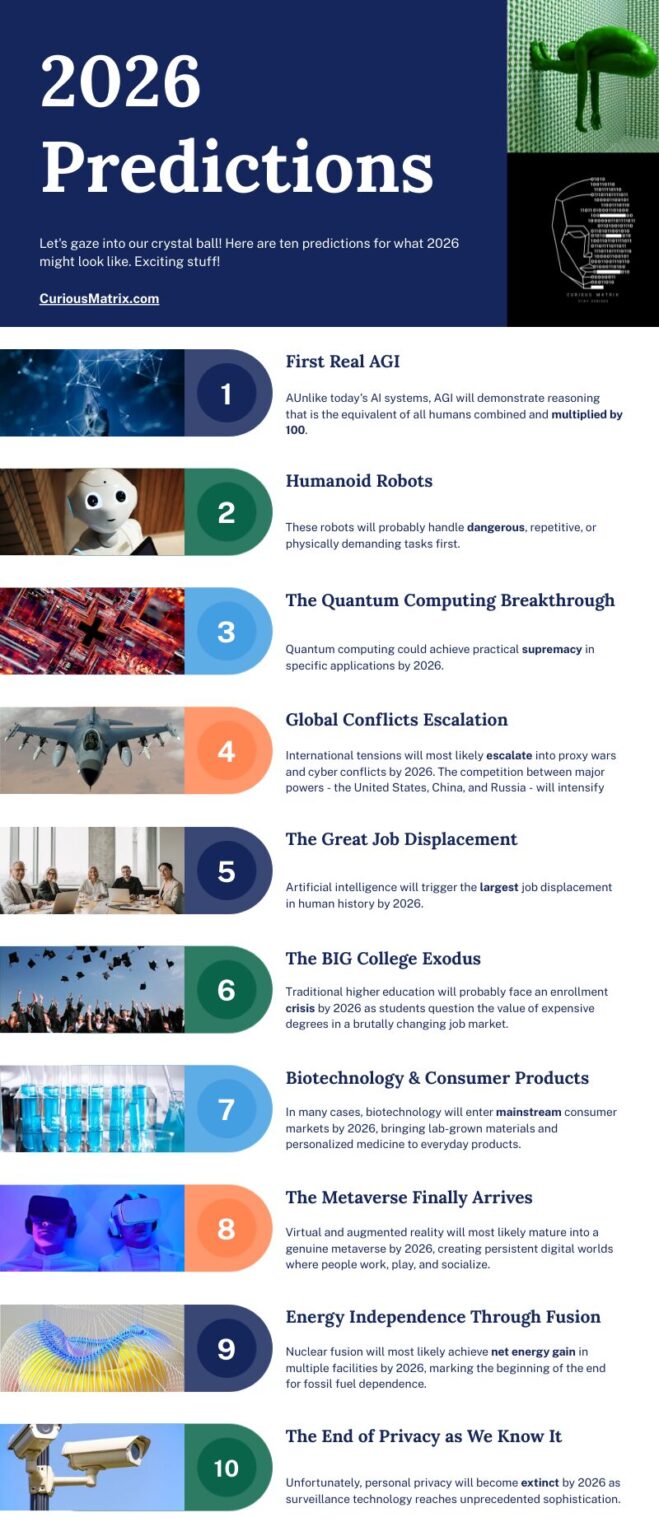



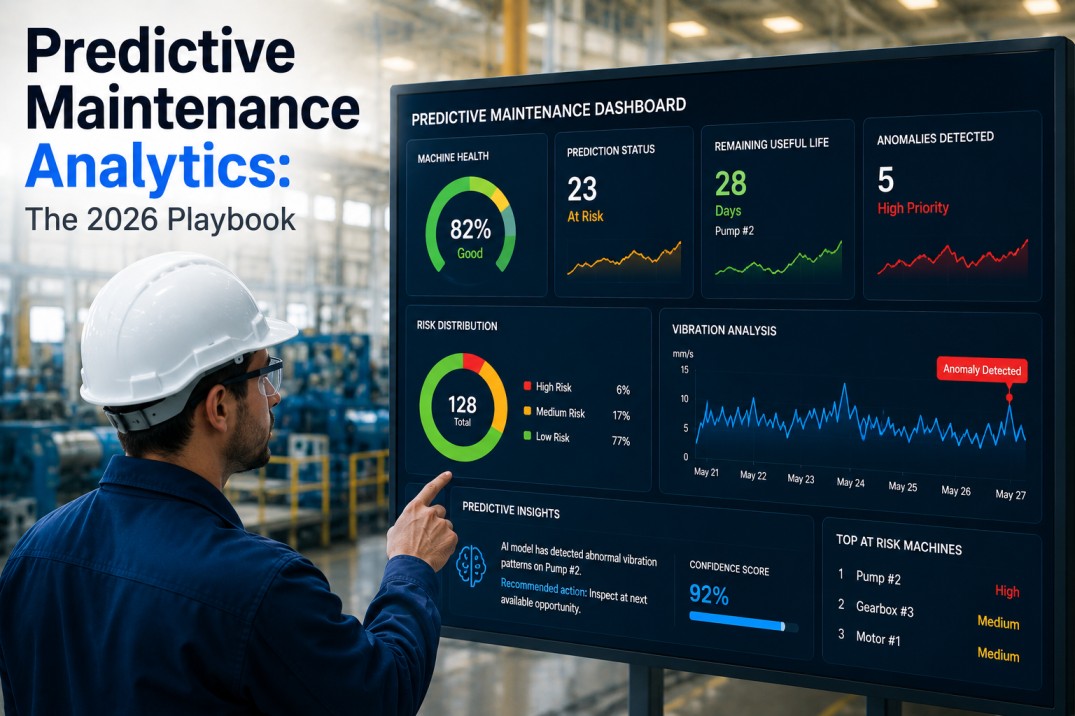
Top 10 Predictions For 2026 Noresize Infographic Top 10 Predictions 2026 659x1536 . Predictive Analytics Trends Reshaping Steel Industry 2026 Predictive Analytics Trends Reshaping Steel Industry 2026 . 18 Predictions For 2026 D496b6 . Neural Stochastic Forecasting 2026 S Most Predictive Threat 42swihhpmls Neural Stochastic Forecasting 2026 Threat Intellig Featured . Predictive Maintenance Analytics The 2026 Playbook Predictive Maintenance Analytics Playbook 2026





2026 Predictive Engagement Banner Website 2026 01 . The Future Of Predictive CRM 2026 With Salesforce AI DEV Community . Predictive Analytics In FMCG The Complete 2026 Guide Predictive Analytics In Fmcg The Complete 2026 Guide . Google Cloud Next 2026 260 AI Data Cloud MKT 2026 Banner Website 6 1536x864 . Storm Prediction Center Changes Severe Weather Outlook For 2026 Image 96427a


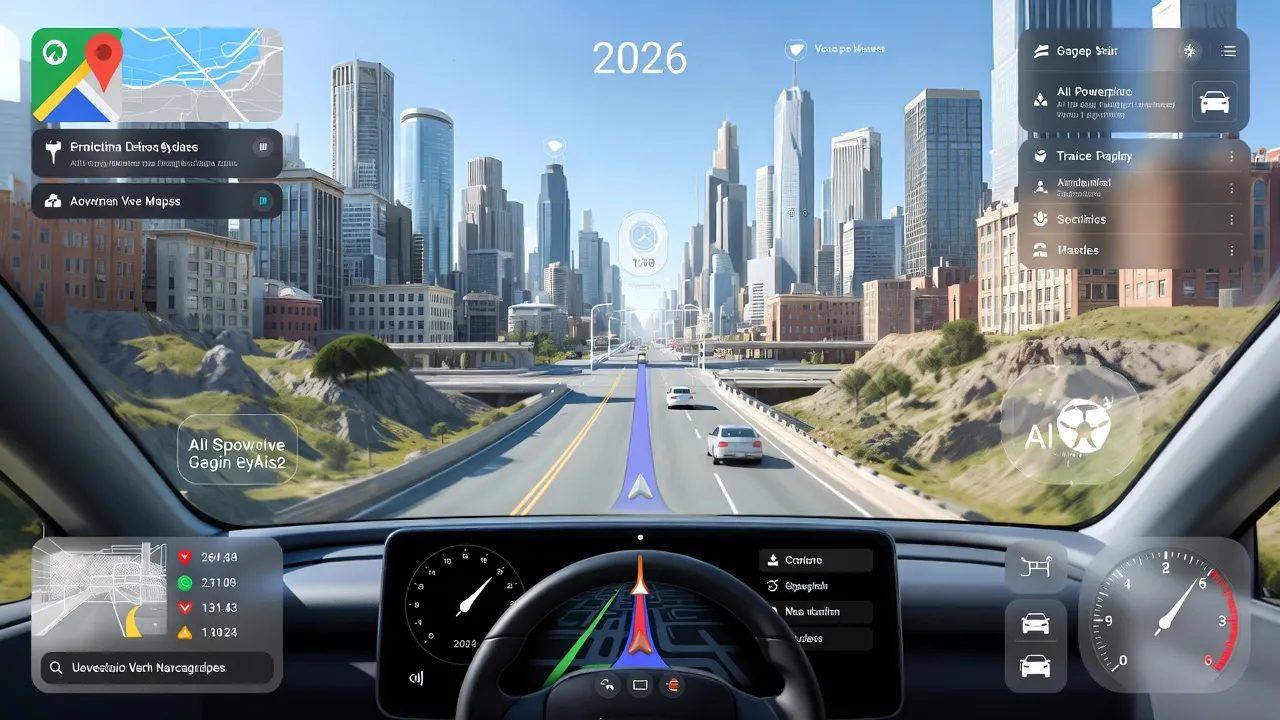
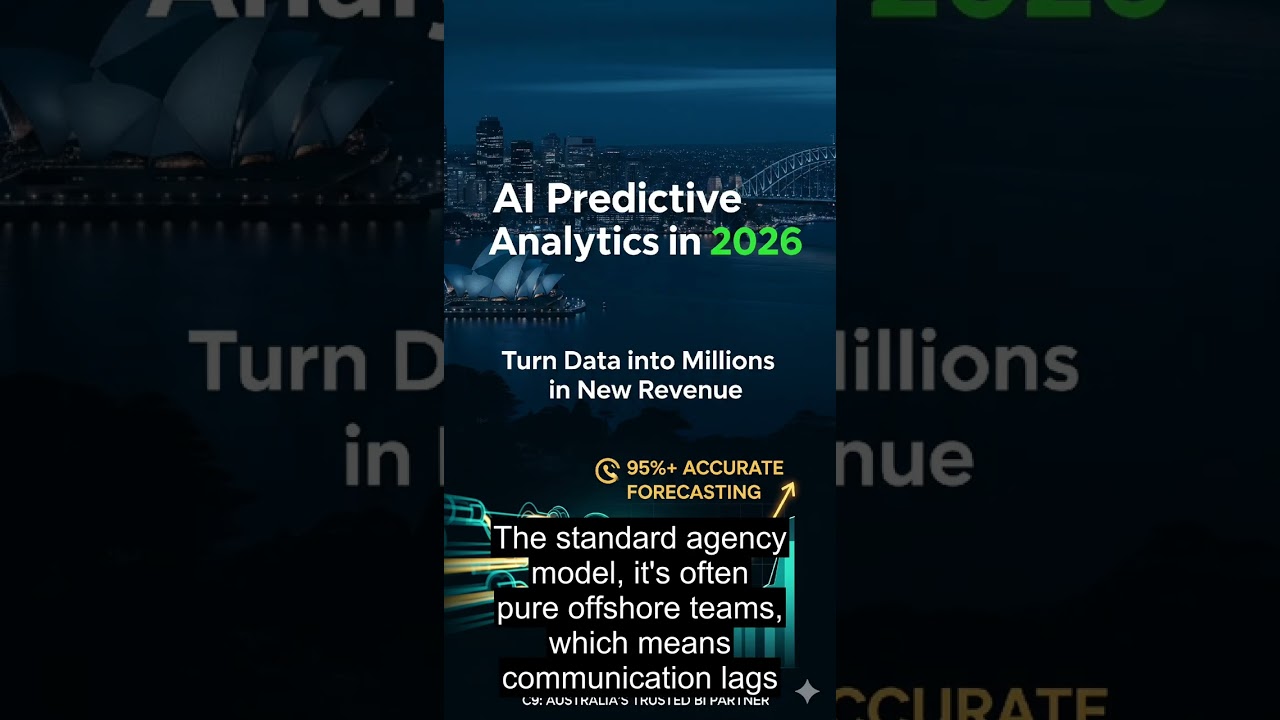

Navigating The Digital Landscape In 2026 Our Predictions Key Principles 2026 Predictions . Best Digital Twin For Predictive Robot Failure Analysis 2026 Digital Twin Predictive Robot Failure 2026 . How To Use Claude Cowork In 2026 Beginner S Step By Step Guide UUZW1XtA . AI Predictive Analytics 2026 Australia Turns Data Into Millions C9 . The 2026 Global Critical Tech Race Analyzing China S Lead In 66 Of 74 Sensing Timing And Navigation 768x428