Anticipation is building immensely for the FIFA World Cup 2026 a monumental event set to captivate billions of football fans globally. This expanded tournament will feature an unprecedented 48 teams competing across three host nations marking a significant evolution in its long history. Understanding the exact date and location of the opening match is a top priority for supporters planning their experience. The initial kickoff signifies much more than just the start of a series of games it represents the culmination of years of preparation and the beginning of a month long celebration of athletic prowess and international unity. Details are still being finalized by FIFA but key insights are emerging. This guide aims to provide all the crucial information about the inaugural game helping you stay informed as this spectacular sporting event draws nearer. We will explore the potential venues and the overall tournament structure to give you a complete picture of what to expect.
when is the first world cup game 2026 FAQ 2026 - 50+ Most Asked Questions Answered (Tips, Trick, Guide, How to, Bugs, Builds, Endgame)
Welcome to the ultimate living FAQ for the FIFA World Cup 2026, meticulously updated to bring you the freshest insights and crucial details! This guide is your go-to resource for understanding everything about the monumental tournament, from kickoff dates and host cities to the new 48-team format. We've compiled over 50 of the most asked questions, providing clear, concise answers along with essential tips, tricks, and guides to navigate this historic event. Whether you're a beginner fan or a seasoned expert, this comprehensive resource will help you stay informed and prepared for the biggest football spectacle on Earth. Let's dive into all the essential knowledge for 2026!
Top Kickoff Questions for 2026
When does the 2026 FIFA World Cup officially start?
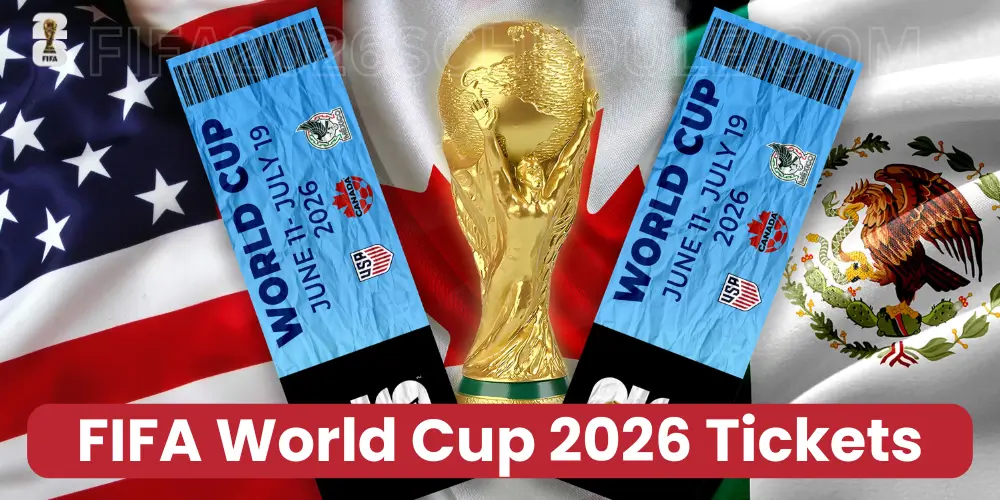
The 2026 FIFA World Cup officially begins on June 11 2026. This date marks the highly anticipated opening match which will be held in Mexico City setting the stage for an unforgettable tournament across North America.
Where will the opening ceremony and first match of the 2026 World Cup be held?
The opening ceremony and first game of the 2026 World Cup will take place at the iconic Estadio Azteca in Mexico City. This historic venue is renowned for its rich World Cup legacy and promises an electrifying start.
How many countries are hosting the FIFA World Cup in 2026?
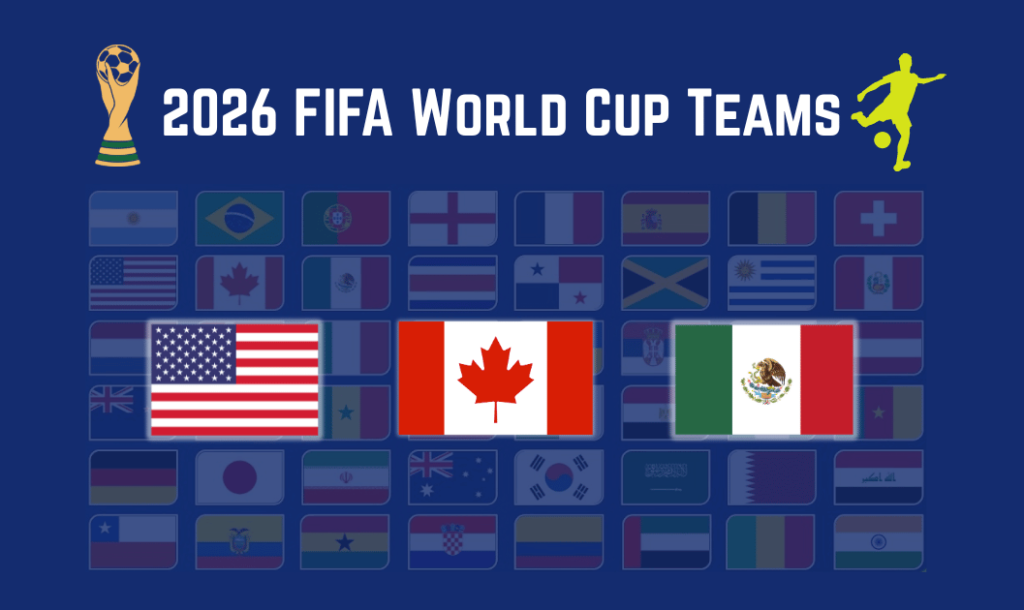
Three countries are co-hosting the FIFA World Cup 2026: the United States, Canada, and Mexico. This expanded multi-nation approach is a first for the tournament.
What is the total number of teams participating in the 2026 World Cup?
The 2026 World Cup will feature an expanded field of 48 national teams, a significant increase from previous tournaments. This new format aims to enhance global participation and excitement.
When is the final match of the 2026 World Cup scheduled?
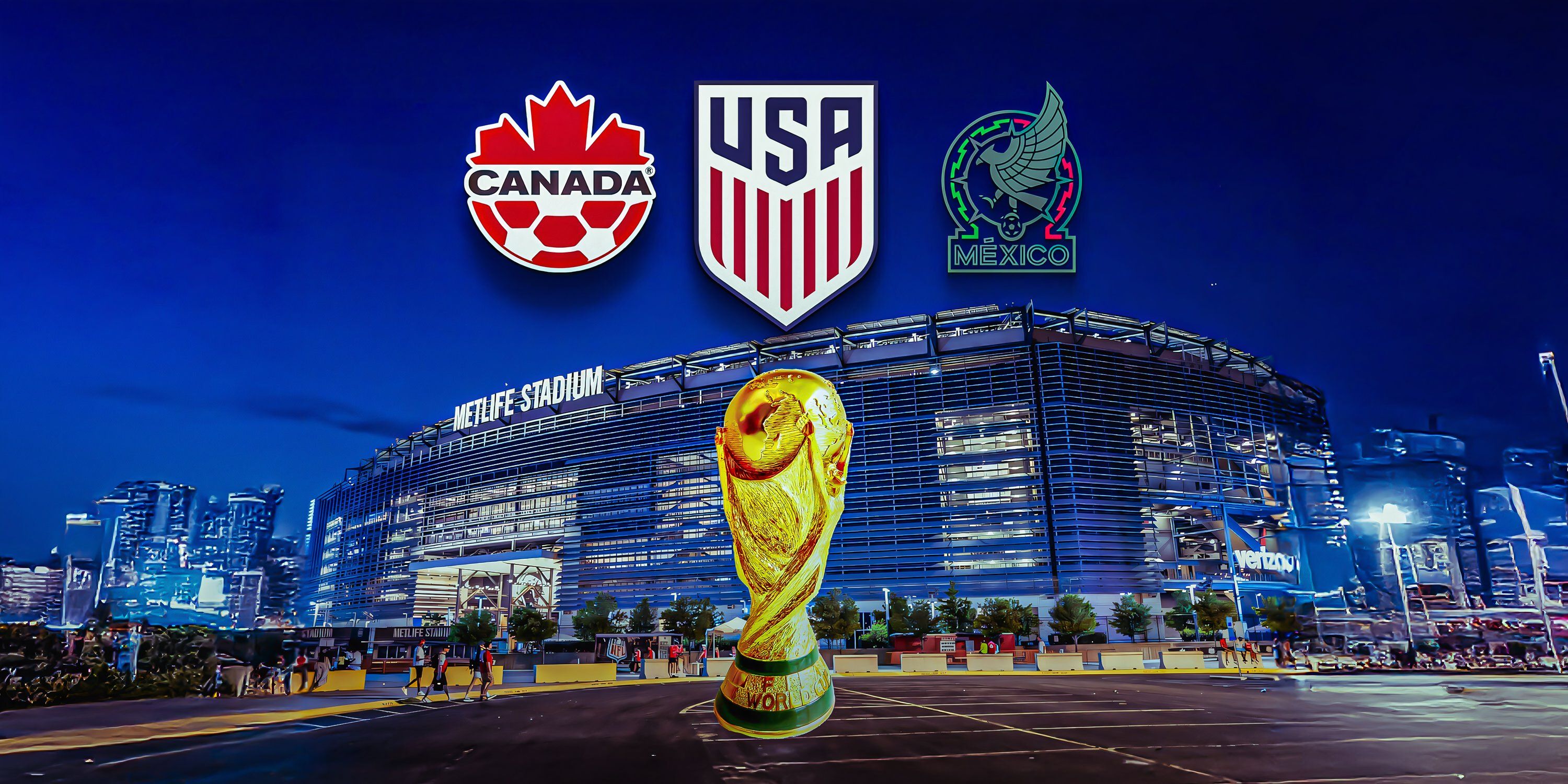
The final match of the 2026 World Cup is scheduled for July 19 2026. It will be held at MetLife Stadium in East Rutherford New Jersey USA capping off over a month of intense competition.
Beginner Questions about the Tournament
What is the duration of the 2026 World Cup?
The 2026 World Cup will span just over a month starting on June 11 and concluding with the final on July 19 2026. Fans can expect a continuous stream of exciting matches throughout this period.
How many host cities are there in total for the 2026 World Cup?
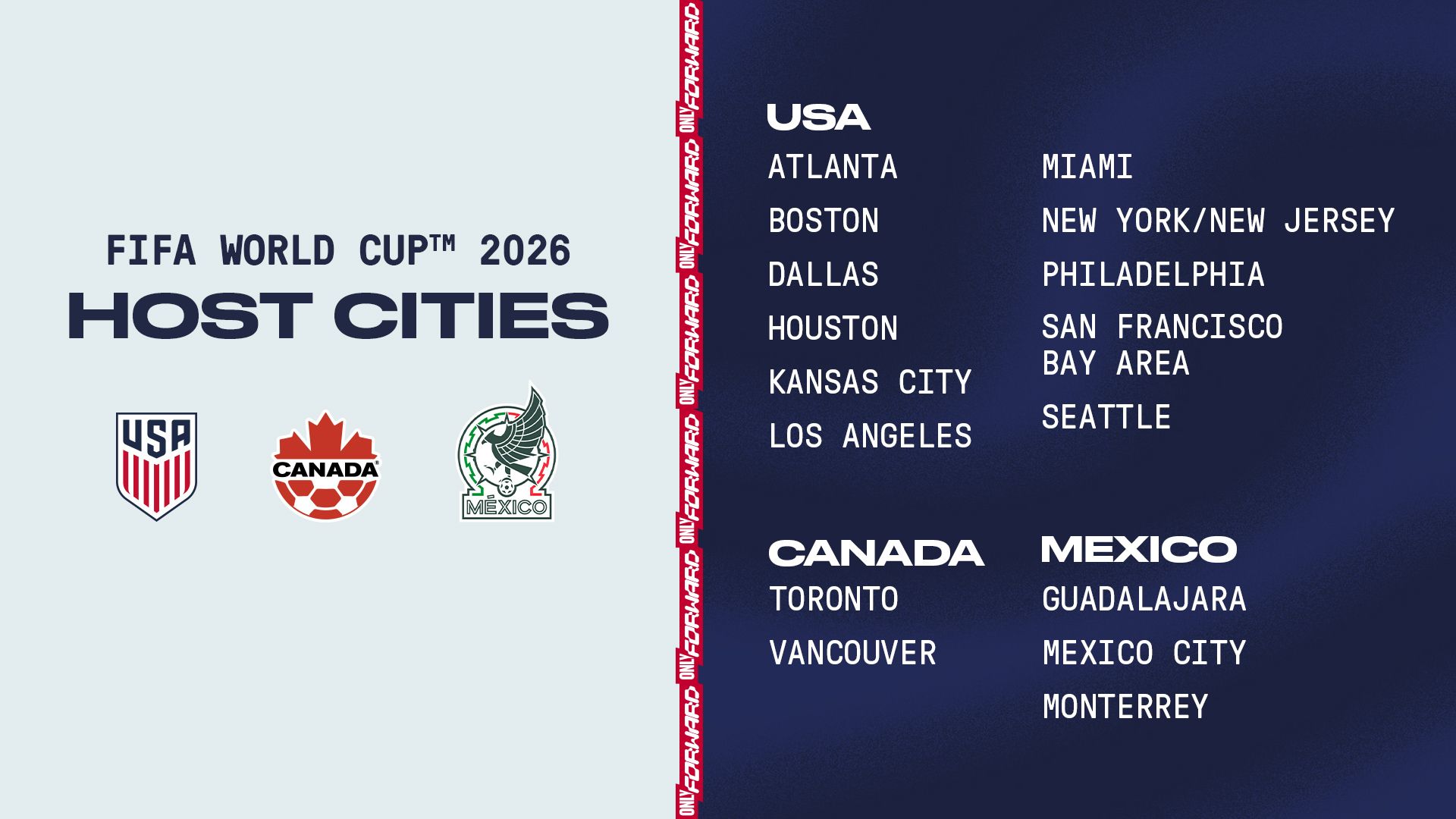
There are 16 host cities across the three co-hosting nations. The United States will host games in 11 cities, Mexico in 3, and Canada in 2, ensuring widespread regional engagement.
Will all three host countries automatically qualify for the 2026 World Cup?
Yes, as per FIFA tradition, all three host nations—United States, Canada, and Mexico—will automatically qualify for the 2026 World Cup. This ensures their direct participation in the tournament.
Myth vs. Reality
Myth: The 2026 World Cup will only have US-based opening matches.
Reality: While the US is a primary host, the true opening match and ceremony will be held in Mexico City at Estadio Azteca, acknowledging its deep historical ties to the World Cup. The US will host its first matches later.
Myth: The 48-team format means less competitive games.
Reality: FIFA aims for more inclusive, not less competitive, matches. The new format includes a complex advancement system where even third-placed teams can qualify, ensuring high stakes throughout the group stage. This keeps every match crucial.
Still have questions?
For more in-depth analysis and daily updates, check out our related guides on 2026 World Cup travel tips, team previews, and detailed stadium guides!
Hey everyone thinking about the colossal FIFA World Cup 2026 a common question keeps popping up everywhere I look: when exactly is the first world cup game 2026? It is such an exciting time for football fans across the globe as this particular tournament promises to be truly historic. We are talking about an expanded format three host countries and a spectacle unlike anything we have seen before.
As your friendly senior colleague in the exciting world of AI engineering I love helping people understand complex topics clearly. This 2026 World Cup information might seem a bit scattered right now but we can absolutely piece it together. The excitement for the opening match is palpable and knowing when that first whistle blows is key for planning your ultimate fan experience. Let us dive into the details so you can mark your calendars with absolute certainty.
Understanding the 2026 World Cup Kickoff
The journey to the FIFA World Cup 2026 begins officially on June 11 2026 a date football enthusiasts are already circling with immense anticipation. This inaugural match will take place at the iconic Estadio Azteca in Mexico City a venue steeped in World Cup history and incredible moments. It is truly fitting for such a significant global event to begin in a stadium with such a legendary past and deep connection to the sport.
Why Estadio Azteca is the Chosen Venue
Estadio Azteca holds a special place in World Cup lore as it is the first stadium ever to host three separate opening matches. This historical significance makes it a perfect choice for FIFA to launch their expanded 48 team tournament. The atmosphere there is always electric providing an unforgettable experience for both players and the millions watching worldwide. This decision truly honors Mexico's rich football heritage and their dedicated fanbase.
The Tournament's New Format and Scale
The 2026 World Cup marks a monumental shift with an expanded field of 48 national teams vying for the coveted trophy. This new format promises even more thrilling matches and opportunities for diverse nations to compete on the world stage. It is a massive undertaking involving 16 host cities spread across Canada Mexico and the United States making it the largest World Cup ever.
Navigating the Expanded Group Stage
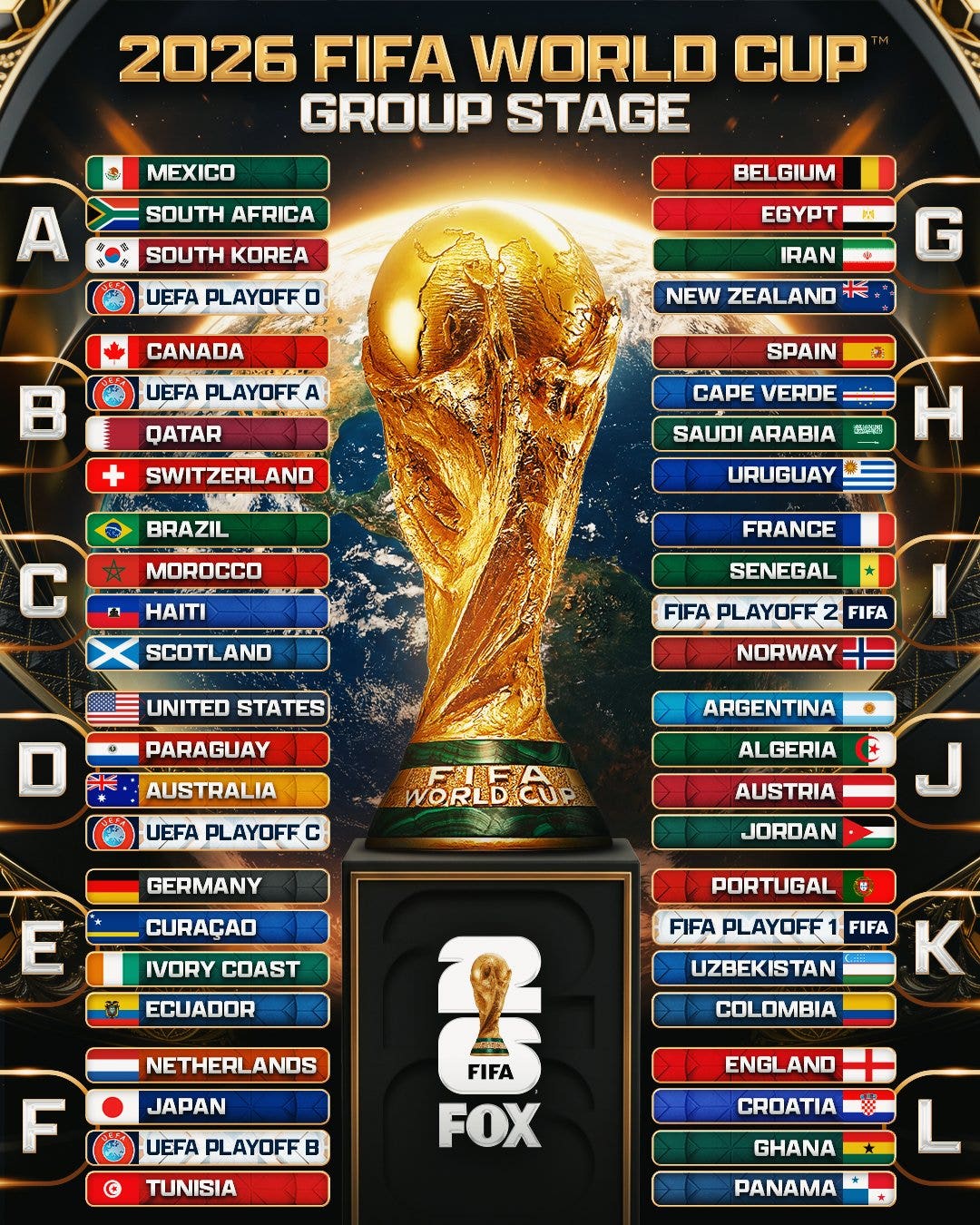
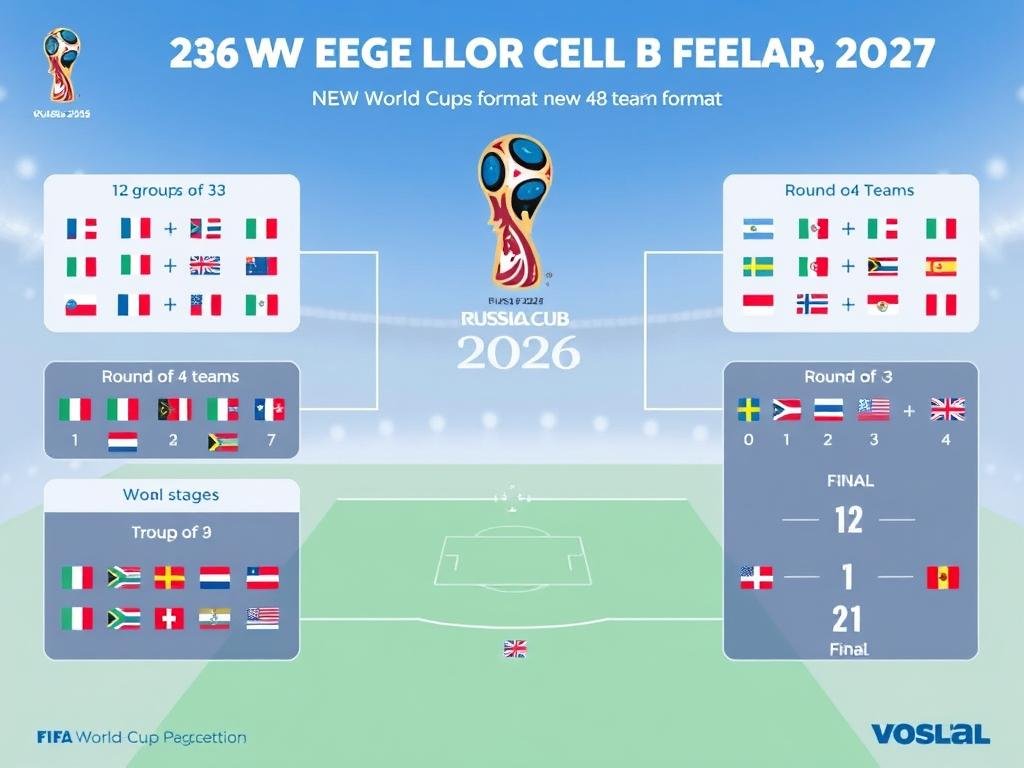
With 48 teams the tournament structure will feature 12 groups of four teams each, advancing the top two from each group plus the eight best third placed teams. This ensures a compelling and extended group stage before progressing to the knockout rounds. Fans will definitely appreciate the increased number of games to follow. Remember this is a fantastic change for many smaller nations as well.
The Road to the Final in 2026
Following the electrifying opening ceremony and match the tournament will proceed through an intense schedule of group stage games. The knockout phase starting with the Round of 32 will culminate in the final on July 19 2026. This grand finale will be hosted at MetLife Stadium in East Rutherford New Jersey promising another unforgettable spectacle. You have got a whole month of world class football ahead of you.
Beginner / Core Concepts
1. Q: When exactly is the very first game of the 2026 World Cup?
A: I get why this confuses so many people with all the buzz around the 2026 World Cup! But don't you worry we've got the exact date for you. The first game is officially scheduled for June 11 2026. This isn't just any regular game either it's the highly anticipated opening match that kicks off the entire tournament. Think of it as the big curtain-raiser for a month of incredible football action. You've got this! Just lock that date into your memory now. The planning for your watch parties can officially begin with this key piece of information. It's going to be a global event so preparing early is always a smart move. This date really marks the beginning of something special for sports enthusiasts everywhere. It's the moment when all the predictions and anticipation finally give way to live competition. Remember June 11 2026 is the day. You're set!
2. Q: Which city and stadium will host the opening match of the 2026 World Cup?
A: This one used to trip me up too with so many fantastic cities involved in 2026! The honor of hosting the opening match goes to Mexico City specifically at the legendary Estadio Azteca. It's an absolutely iconic venue you know. This stadium has a rich history having previously hosted World Cup finals in both 1970 and 1986. Talk about a place with a story to tell! It truly is a historic location for such an important global event. The atmosphere there is always incredible and it will be buzzing on June 11 2026. This choice really highlights Mexico's deep connection to football and its enthusiastic fan base. It's a fitting start to a monumental tournament. Try imagining the roar of the crowd there tomorrow and let me know how it goes. You've got this!
3. Q: How many teams will participate in the 2026 World Cup tournament?
A: That's a super important question because the 2026 World Cup is undergoing a major transformation! For the first time ever we're going to see an expanded format with a whopping 48 teams participating. It's a significant jump from the previous 32-team setup which means more countries will get a chance to compete on the world stage. This change is designed to make the tournament even more inclusive and exciting for everyone involved. Think about all the new rivalries and unexpected underdog stories we might witness! It's a huge shift in the tournament's history opening up doors for many nations. This expanded field promises an even grander spectacle and more diverse football styles. You've got this understanding of the new scale!
4. Q: Which countries are co-hosting the 2026 FIFA World Cup?
A: Oh, this is one of the coolest aspects of the 2026 World Cup, in my opinion! It's not just one country, or even two, but three fantastic nations joining forces to host this massive event. The co-hosts are the United States, Canada, and Mexico. This North American collaboration makes it an unprecedented tournament in terms of geographical spread and cultural diversity. Each country will bring its unique flavor to the World Cup experience, offering different cities and fan zones. It's going to be an incredible display of unity and passion for the beautiful game across a huge continent. Imagine the logistics and coordination needed for this but it's going to be spectacular. You've got this insight into the multi-national effort!
Intermediate / Practical & Production
5. Q: What is the new format for the group stage with 48 teams in 2026?
A: This is where things get really interesting for strategy buffs like us! With 48 teams, FIFA has revamped the group stage to feature 12 groups, each comprising four teams. It’s a pretty smart move to accommodate the expansion while keeping the competitive intensity high. The top two teams from each of these 12 groups will automatically advance to the next stage, which is pretty standard. But here's the cool part: the eight best third-placed teams across all groups will also qualify for the knockout rounds. This adds a thrilling new layer of strategy and excitement, making every single group game incredibly important. Teams will be fighting for every point, not just for the top two spots but also to be among those lucky third-place qualifiers. This means more nail-biting finishes and unpredictable results, which is fantastic for fans. It certainly gives a fresh dynamic to how teams approach their early matches. You've got this new format figured out!
6. Q: When is the 2026 World Cup final scheduled to take place?
A: Knowing the start and the end date is crucial for planning your entire World Cup watching schedule! The grand finale of the FIFA World Cup 2026 is set for July 19 2026. It marks the culmination of over a month of thrilling football action, incredible goals, and unforgettable moments. This is the day when the new world champion will be crowned, bringing an end to the spectacular tournament. Just think about all the drama and excitement leading up to that final whistle. It's truly the peak event for any football fan. The entire planet will have its eyes glued to this one game, waiting to see who lifts the trophy. So make sure you save that date now for the ultimate showdown. You've got this key date locked in!
7. Q: Where will the 2026 World Cup final be hosted?
A: This is a big one, a real honor for any city, and it's going to MetLife Stadium in East Rutherford, New Jersey, USA! I remember when this announcement dropped; it caused quite a stir. This stadium is a massive, modern venue capable of hosting huge crowds, making it perfect for such a prestigious event. It's essentially New York City's stadium, offering a fantastic backdrop for the world's biggest football match. Imagine the atmosphere there, the global eyes on that one spot on July 19, 2026. The selection truly underscores the scale and ambition of the North American hosting effort. It promises to be an epic conclusion to an already historic tournament. You've got this major venue detail nailed!
8. Q: What are some potential challenges for fans attending matches in three different host countries?
A: That's a super practical question and it's something fans definitely need to consider for 2026! Attending matches across the United States, Canada, and Mexico brings some unique logistical hurdles. Firstly, you've got different immigration and visa requirements for each country, so research that early. Then there's the travel itself – vast distances mean potentially expensive flights and significant travel time between venues. Don't forget currency exchange rates which will vary between USD CAD and MXN. Plus adapting to different local customs and even language nuances in Mexico will be part of the adventure. Planning ahead for accommodation and local transport is absolutely essential here. It's a huge undertaking but definitely doable with careful preparation. You've got this strategic planning mindset!
9. Q: How many host cities are there for the 2026 World Cup across the three nations?
A: This is another aspect that highlights the sheer scale of the 2026 tournament! We're talking about a grand total of 16 host cities spread across the three co-hosting nations. The United States leads with 11 cities while Mexico will host games in three cities and Canada will have two host cities. This wide distribution means that fans will have a fantastic array of options for experiencing the World Cup. Each city offers its own unique cultural flair and atmosphere adding to the overall richness of the event. It’s an expansive logistical marvel, ensuring that the tournament reaches a broad audience across North America. This truly is a Pan-Continental celebration of football. You've got this big picture detail down!
10. Q: Will there be a single official tournament ball for the 2026 World Cup?
A: You're thinking like a true pro, focusing on those essential details! Yes, absolutely there will be a single official tournament ball for the 2026 World Cup, as is tradition with every FIFA World Cup. Adidas usually produces these iconic balls, often incorporating design elements that reflect the host nations' cultures and the tournament's unique identity. They're not just about aesthetics though; these balls feature advanced technology to ensure optimal performance on the pitch. Keep an eye out for the official unveiling which usually happens a year or so before the tournament kicks off. It's always a big moment for fans and players alike. This ball will become a symbol of the entire tournament's journey. You've got this key component covered!
Advanced / Research & Frontier 2026
11. Q: What is the reasoning model behind FIFA's decision to expand to 48 teams for 2026?
A: This is an excellent question that delves into the strategic thinking at FIFA's highest levels. The primary reasoning model behind the 48-team expansion is multi-faceted, aiming to globalize football further and increase revenue streams. Firstly, it offers more opportunities for smaller nations to qualify, fostering growth and development of the sport worldwide, aligning with FIFA's mandate to promote football universally. This inclusivity is a powerful message to member associations. Secondly, the expanded format translates to more matches and a longer tournament duration, which directly leads to increased broadcasting rights, sponsorship deals, and ticketing revenues. This financial boost is significant for FIFA's operational budget and development programs. There's also a political dimension, as it garners broader support from various football confederations, making it a more palatable proposal for voting members. It's a complex balance of sporting ideals, commercial viability, and political maneuvering. The long-term impact on player welfare and competitive balance is a subject of ongoing debate among experts. You've got this deep dive into the why!
12. Q: How might the increased number of matches and teams impact player welfare and team preparation?
A: This is a critical concern, and you're thinking like a seasoned analyst! The jump to 48 teams and the corresponding increase in matches certainly presents significant challenges for player welfare and team preparation. More games mean greater physical demands on players, potentially leading to increased fatigue and a higher risk of injuries, especially for those advancing deep into the tournament. Teams will need larger squads and more sophisticated rotation strategies to manage player loads effectively. Travel logistics, given the three host countries, will also be a major factor contributing to player weariness. Preparation time between matches might be shorter, requiring teams to adapt their training methodologies and recovery protocols. We're already seeing sports science frontier models being developed for individual player load management. Additionally, the expanded tournament duration will impact domestic league schedules, forcing earlier starts or later finishes, which adds pressure on football calendars globally. It's a delicate balancing act to maintain competitive quality and ensure player health. You've got this advanced insight into player well-being!
13. Q: What technological innovations are anticipated for broadcasting and fan experience in 2026?
A: You're absolutely spot-on; the 2026 World Cup will be a showcase for cutting-edge technology! We can expect significant advancements in broadcasting and the fan experience, leveraging the latest frontier models. Think enhanced immersive viewing with 8K resolution as a standard for many broadcasts, offering unparalleled clarity. Virtual reality (VR) and augmented reality (AR) experiences will likely become more integrated, allowing fans to feel closer to the action, perhaps even watching from a player's perspective or overlaying real-time stats onto their screen. AI-powered analytics will offer deeper insights into game play and individual player performance, available instantly. For stadium attendees, expect smart stadium features like personalized in-seat food delivery apps, seamless digital ticketing, and improved connectivity. We might even see advanced biometric security measures and personalized content delivery based on fan preferences. Accessibility features using AI for real-time translation and sensory-friendly experiences will also likely be prioritized. It's all about making the viewing and attending experience as rich and personalized as possible. You've got this vision for future fan engagement!
14. Q: How will the qualification process for the 48-team World Cup differ from previous tournaments?
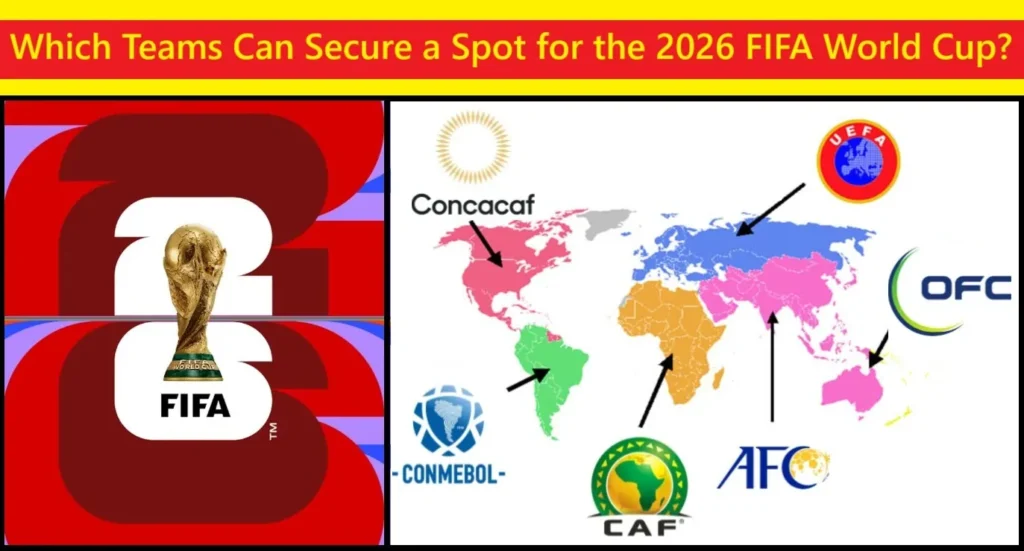
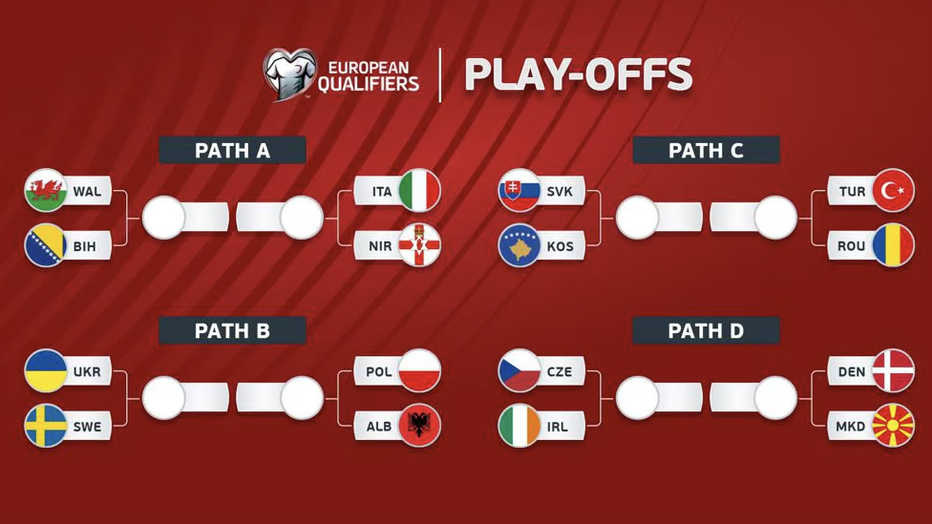
A: This is a very insightful question that truly highlights the cascading effects of the 48-team expansion! The qualification process for the 2026 World Cup will indeed be significantly different, primarily due to the increased allocation of berths to each confederation. For instance, Europe (UEFA) will see an increase from 13 to 16 direct qualification spots. Africa (CAF) will jump from 5 to 9 spots, and Asia (AFC) will go from 4.5 to 8. South America (CONMEBOL) moves from 4.5 to 6, and North, Central America, and Caribbean (CONCACAF) will get 6 slots (including the three automatic host berths). Oceania (OFC) will now have 1 guaranteed spot. Critically, there will also be a new six-team inter-confederation play-off tournament to decide the final two berths. This revised allocation means that more nations will have a realistic path to the World Cup, intensifying qualification campaigns in many regions. It's a direct consequence of the expansion aiming for greater global representation. You've got this detailed understanding of the new qualification landscape!
15. Q: What are the economic impacts expected for the host cities in the United States, Canada, and Mexico?
A: This is a high-level, critical query, looking at the bigger picture beyond just the games! The economic impacts for the 16 host cities across the United States, Canada, and Mexico are expected to be substantial and largely positive. We're talking about massive boosts in tourism, with millions of international and domestic visitors spending on accommodation, dining, transportation, and entertainment. This directly generates significant revenue for local businesses and creates thousands of temporary jobs in hospitality, security, and event management. There will also be substantial investments in infrastructure upgrades, including public transport, stadiums, and digital connectivity, which will have long-term benefits for these regions. However, there are also potential challenges, such as increased operational costs for cities, potential displacement of local residents due to rising prices, and the need for robust security planning. Local businesses that aren't directly tied to tourism might also experience disruption. Governments and local authorities are already running sophisticated economic models to maximize benefits and mitigate downsides. It's a complex economic equation with both clear upsides and potential pitfalls requiring careful management. You've got this broad economic perspective!
Quick 2026 Human-Friendly Cheat-Sheet for This Topic
- The 2026 World Cup kicks off on June 11 2026 at Mexico City's Estadio Azteca.
- It's a monumental 48-team tournament hosted across the United States Canada and Mexico.
- The final match will be held on July 19 2026 at MetLife Stadium in New Jersey.
- Plan early for international travel if you dream of attending matches across countries.
- Expect advanced tech in broadcasting making your home viewing experience more immersive than ever.
- The expanded format means more exciting matches and greater global representation which is fantastic.
The FIFA World Cup 2026 kicks off on June 11 2026 at Estadio Azteca in Mexico City. This historic stadium will host the opening ceremony and the first match of the expanded 48 team tournament. Matches will be spread across 16 cities in the United States Canada and Mexico. The final will be held on July 19 2026 in New Jersey.
35



FIFA World Cup 2026 Schedule In Depth Guide To Dates Venues And FIFA World Cup 2026 Match Schedule 300x200 . 2026 World Cup Schedule Printable Expansion To 48 Teams Sports Brackets Printable 2026 World Cup Schedule Group Stage . FIFA Confirms 2026 World Cup Schedule All Venues Set Fifa Unveils 2026 World Cup Match Schedule And Venues. Countdown To The 2026 World Cup FIFA Schedule All You Need To Know 1920x1080 . FIFA World Cup 2026 Match Schedule Dates Kick Off Times And Stadiums
2026 World Cup Schedule All Games Dates Matchups And How To Watch . FIFA World Cup 2026 Schedule Full Date Wise Fixtures Time Venue 2026 FIFA World Cup Group Stage.webp. Who Is Performing At The FIFA World Cup 2026 Draw Complete Line Up 2026 FIFA World Cup Teams Qualified 1024x610 . FIFA World Cup 2026 Schedule Full Date Wise Fixtures Time Venue 2026 FIFA World Cup Qualifiers Return Which Teams Can Secure A Spot. World Cup 2026 The Ultimate Guide To FIFA S Historic Tournament All Graphic Showing The New 48 Team World Cup 2026 Format With Group Structure And Knockout Stages

FIFA World Cup 2026 Fixtures Football Match Schedule Truebangla Com FIFA World Cup 2026 Fixtures . World Cup 2026 Things You Need To Know Spottis World Cup 2026 . Argentina World Cup 2026 Schedule Match Dates Timings And Venues FIFA World Cup 2026. FIFA Peace Prize Winners 2025 Full History And Facts 2026 FIFA World Cup In Canada 1024x536 . LOS ANGELES FINAL MATCH SCHEDULE FOR THE FIFA WORLD CUP 2026 NOW FWC26 GAMES 980x551

2026 World Cup Schedule Announced Mexico Vs South Africa To Kick Off 2026 World Cup Schedule Announced Mexico Vs South 2026 World Cup Schedule Announced Mexico Vs South. World Cup 2026 Prediction Game . 2026 Soccer World Cup Qualifiers Qualified Teams Next To Join FIFA World Cup 2026 Host Teams Schedule Ticket Venues Group Stage And Knockout. 2026 FIFA World Cup Qualifiers This Week Fixtures By 2026 FIFA World Cup Schedule In Canada.webp. World Cup 2026 Playoff Bracket FOX
2026 World Cup Find Out Expanded Format Groups And Full Match Schedule 2026 FIFA World Cup . FIFA 2026 World Cup Tickets Go On Sale Next Week Here S When And How Screen Shot 2025 09 04 At 11.12.02 . Canada Hosting 13 World Cup Games In 2026 The Social YouTube . W101 Vs W102 Live Score July 19 2026 FOX Sports Worldcup . World Cup Soccer 2026


Match Schedule FIFA World Cup 2026 UEFA Qualifiers Round 1 March . 2026 World Cup 2026 Logo History . World Cup 2026 Which Nations Can Still Qualify For The 6 Remaining Euro Playoffs . Where Is The 2026 Fifa World Cup Every Team Qualified For Fifa World Cup 2026 . FIFA World Cup 2026 Meet TRIONDO The Official Match Ball That Will Hero Adidas Trionda Fifa Worldcup Ball6


The World Cup 2026 AVFTT FIFA World Cup Schedule 2026.webp. 2026 World Cup Schedule And Locations In USA Mexico Canada Roadtrips World Cup Schedule 2 1536x1163 . Class Of 2026 Svg Files Printable Clipart Graduation Svg Files Fifa World Cup 2026 . World Cup 2026 England Fixture Schedule And Kick Off Times Fifa World Cup 2026 Official Draw Official Fixture Schedule England 696x464 . 2026 FIFA World Cup UEFA Fixtures FIFA World Cup News 2026 FIFA World Cup UEFA European Qualifiers